

High blood pressure, also known as hypertension, is one of the most common health conditions affecting Nigerians today. Yet, many people are unsure about which doctor to see, what tests to expect, or how high blood pressure is properly managed. This uncertainty often leads to delayed treatment, poor monitoring, and avoidable complications.
If you have ever searched for a blood pressure doctor, been told to see a blood pressure high doctor, or wondered whether a blood pressure monitor doctor is necessary, this guide is for you. In this article, we explain who treats high blood pressure, how doctors diagnose and manage it, and when specialist care becomes essential.
Who Is a Blood Pressure Doctor?
A blood pressure doctor is any qualified medical professional trained to diagnose, monitor, and treat high blood pressure. In Nigeria, this role is often handled by different types of doctors depending on the severity of the condition.
Doctors who treat high blood pressure include:
- General Practitioners (GPs): Often the first point of contact for blood pressure checks and early treatment.
- Family Physicians: Manage long-term blood pressure care and lifestyle counselling.
- Internal Medicine Doctors: Treat complex or persistent cases of hypertension.
- Cardiologists: Specialists who handle advanced or complicated high blood pressure cases.
Most people with early or mild hypertension can be treated by a GP. However, if blood pressure remains high despite treatment, a referral to a blood pressure high doctor, usually a cardiologist, may be necessary.
What to Expect From Your Blood Pressure Doctor
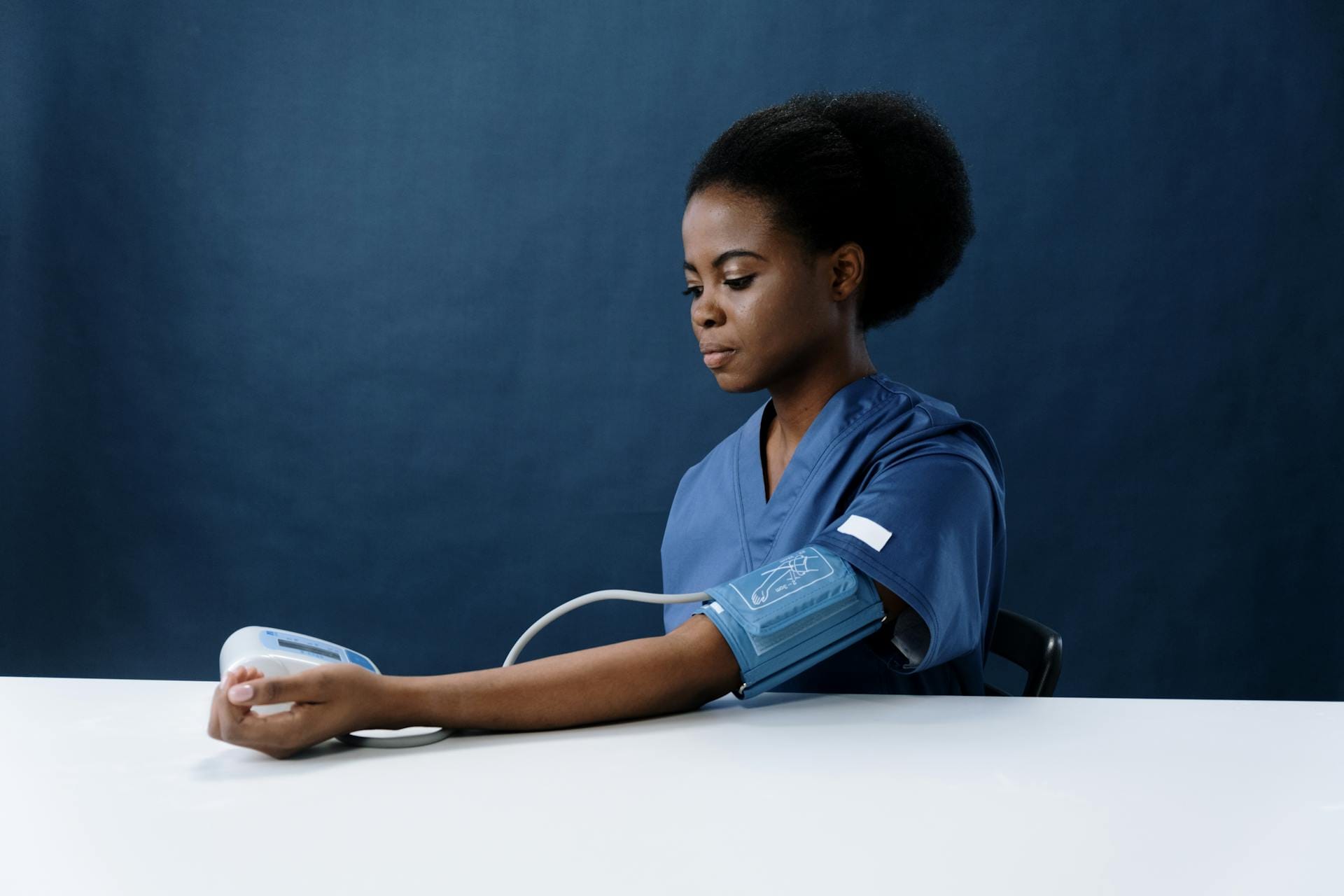
Visiting a blood pressure doctor for the first time usually involves more than just checking your numbers. Doctors aim to understand why your blood pressure is high and how best to manage it.
During your appointment, you can expect:
- A detailed medical history review
- Questions about family history of hypertension
- Lifestyle assessment (diet, salt intake, alcohol, stress, physical activity)
- Multiple blood pressure readings
- Physical examination of the heart, kidneys, and blood vessels
Doctors may also ask about symptoms such as headaches, dizziness, chest pain, or shortness of breath, although high blood pressure can often be silent.
What Kinds of Tests Does a Blood Pressure Doctor Do?
To properly diagnose and monitor hypertension, a blood pressure doctor may request several tests. These help determine whether high blood pressure has already affected vital organs.
Common tests include:
- Blood pressure measurements taken multiple times
- Blood tests to check kidney function, cholesterol, and blood sugar
- Urine tests to assess kidney health
- Electrocardiogram (ECG) to check heart activity
- Echocardiogram in some cases
- Ambulatory blood pressure monitoring
A blood pressure monitor doctor may recommend wearing a portable device that measures your blood pressure over 24 hours. This helps detect hidden hypertension and rule out false readings caused by anxiety in clinics.
How Blood Pressure Is Measured in the Clinic
Accurate measurement is crucial for diagnosis and treatment. Doctors rely on both manual and digital methods.
Blood pressure measurement methods:
- Manual sphygmomanometer: Often considered the gold standard
- Digital blood pressure monitors: Common in modern clinics
- Ambulatory monitoring: Tracks blood pressure throughout the day and night
Doctors usually take at least two readings, spaced a few minutes apart, and may repeat measurements across different visits before confirming a diagnosis.
Understanding Your Blood Pressure Readings
Blood pressure is recorded as two numbers:
- Systolic pressure: Pressure when the heart beats
- Diastolic pressure: Pressure when the heart rests
General blood pressure ranges:
- Normal: below 120/80 mmHg
- Elevated: 120–129/<80 mmHg
- High blood pressure: 130/80 mmHg and above
A blood pressure doctor will interpret these numbers in context, considering age, medical history, and risk factors.
When Should You See a Cardiologist?
Not every patient with high blood pressure needs a cardiologist. However, there are situations where seeing a specialist becomes important.
You should see a blood pressure high doctor (cardiologist) if:
- Your blood pressure remains high despite medication
- You have heart disease, diabetes, or kidney problems
- You experience chest pain or shortness of breath
- You are diagnosed with hypertension at a young age
- There are signs of organ damage
Cardiologists specialise in managing complex hypertension and preventing complications such as heart attacks and strokes.
How Cardiologists Treat High Blood Pressure
Cardiologists take a comprehensive approach to blood pressure management. Treatment often involves a combination of lifestyle changes and medication.
Common treatment options include:
- Diuretics
- ACE inhibitors
- Calcium channel blockers
- Beta-blockers
- Angiotensin receptor blockers
Doctors may adjust medications over time based on response and side effects. Regular follow-ups are essential for effective control.
Blood Pressure Monitoring at Home
Many blood pressure doctors recommend home monitoring, especially for patients with unstable readings.
Benefits of home monitoring:
- Detects blood pressure fluctuations
- Helps assess treatment effectiveness
- Encourages patient involvement
- Reduces “white coat hypertension”
A blood pressure monitor doctor can advise on choosing a reliable device and how often to record readings.
Lifestyle Advice From Blood Pressure Doctors

Lifestyle changes are a core part of treatment, even when medication is required.
Doctors commonly recommend:
- Reducing salt intake
- Eating more fruits and vegetables
- Maintaining a healthy weight
- Exercising regularly
- Limiting alcohol
- Quitting smoking
- Managing stress
These changes significantly reduce the risk of complications.
Risks of Untreated High Blood Pressure
Ignoring high blood pressure can lead to serious health issues, including:
- Heart attack and heart failure
- Stroke
- Kidney damage
- Vision loss
- Sexual dysfunction
This is why early diagnosis and regular visits to a blood pressure doctor are critical.
How Often Should You Visit a Blood Pressure Doctor?
Visit frequency depends on your condition:
- Newly diagnosed patients: every 2–4 weeks initially
- Stable patients: every 3–6 months
- Uncontrolled hypertension: more frequent visits
Regular monitoring ensures timely treatment adjustments.
Finding a Blood Pressure Doctor in Nigeria
You can find a blood pressure doctor through:
- Government hospitals
- Private clinics
- Teaching hospitals
- Online medical platforms
Always ensure the doctor is licensed and experienced in managing hypertension.
Conclusion
Managing high blood pressure starts with seeing the right blood pressure doctor and committing to consistent monitoring and treatment. Whether you are visiting a general physician, consulting a blood pressure high doctor, or working with a blood pressure monitor doctor to track your readings, early action can save lives.
For Nigerians looking for reliable diagnostic testing and health monitoring support, LabTracka provides accessible options to help you stay on top of your blood pressure and overall health. Taking control today is the first step towards a healthier future.
Frequently Asked Questions (FAQs)
1. Who is the best blood pressure doctor to see in Nigeria?
A general practitioner is usually the first blood pressure doctor to see, with referrals to cardiologists if needed.
2. When should I see a blood pressure high doctor?
You should see a blood pressure high doctor if your readings remain high despite treatment or you have complications.
3. Can a blood pressure doctor treat hypertension completely?
High blood pressure can be managed effectively, but most patients require long-term care.
4. What tests does a blood pressure doctor recommend?
Blood pressure checks, blood tests, urine tests, ECGs, and sometimes ambulatory monitoring.
5. Is a cardiologist a blood pressure doctor?
Yes, cardiologists are specialist blood pressure doctors for complex cases.
6. How often should I visit a blood pressure doctor?
Visit frequency depends on how stable your blood pressure is.
7. What does a blood pressure monitor doctor do?
A blood pressure monitor doctor oversees home or ambulatory blood pressure monitoring.
8. Can a blood pressure monitor doctor help with diagnosis?
Yes, monitoring helps confirm hypertension and assess treatment response.
9. Do blood pressure doctors recommend home monitoring?
Yes, especially for patients with fluctuating readings.
10. What blood pressure reading requires seeing a blood pressure high doctor?
Consistent readings above 140/90 mmHg usually require specialist care.
11. Can lifestyle changes replace a blood pressure doctor?
No. Lifestyle changes support treatment but do not replace medical supervision.
12. Are blood pressure doctors expensive in Nigeria?
Costs vary between public and private hospitals, with HMOs reducing expenses.
13. Can a blood pressure doctor detect heart problems early?
Yes, through tests like ECGs and echocardiograms.
14. Should young adults see a blood pressure doctor?
Yes, especially if they have high readings or a family history of hypertension.
15. How does a blood pressure monitor doctor interpret readings?
They assess trends over time rather than single measurements.