
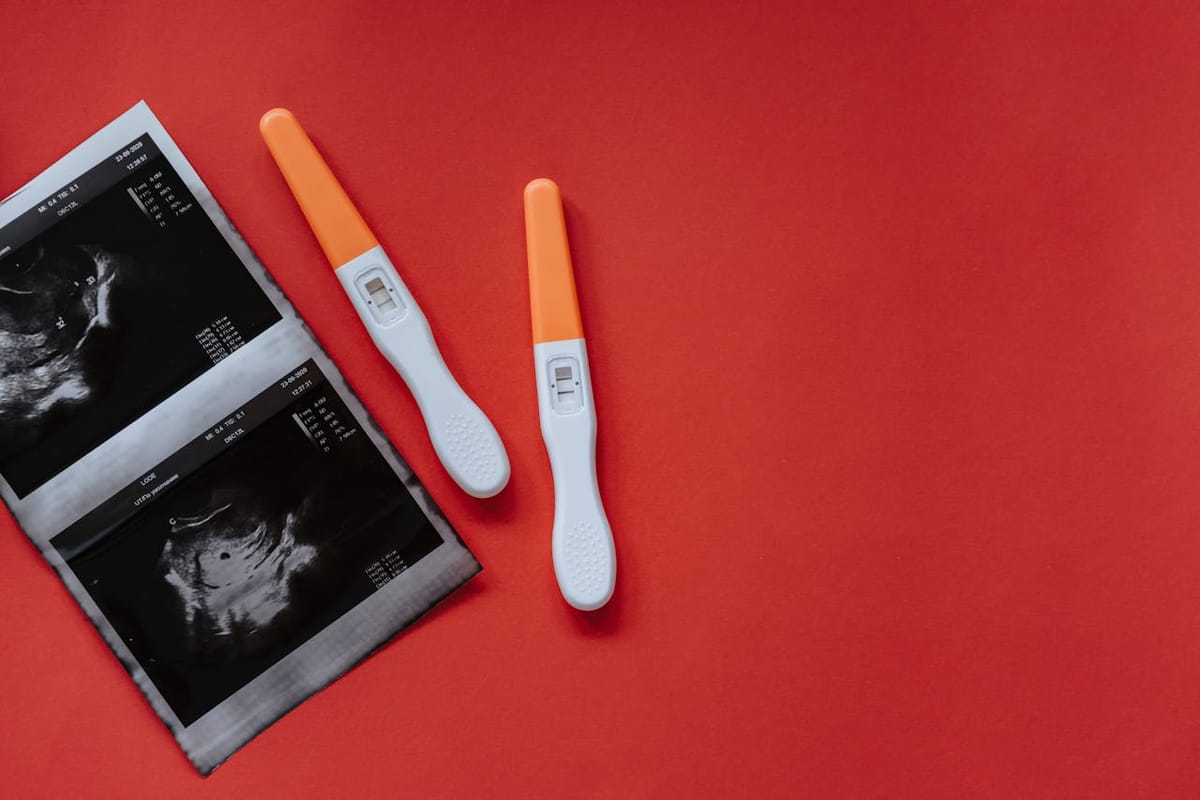
Getting a negative pregnancy test result when you strongly feel pregnant can be confusing and emotionally draining. This confusion often leads to questions such as: Can twins cause a false negative pregnancy test?
While false negative pregnancy tests are more common than many people realize, twin or multiple pregnancies can, in rare cases, contribute to misleading results. Understanding how pregnancy tests work and when to seek reliable laboratory testing can help you get clear and accurate answers.
How Pregnancy Tests Work
Pregnancy tests detect a hormone called human chorionic gonadotropin (hCG). This hormone is produced shortly after a fertilized egg implants in the uterus.
There are two main types of pregnancy tests:
- Urine pregnancy tests, commonly used at home
- Blood pregnancy tests, performed in a laboratory
hCG levels start low in early pregnancy and increase rapidly over time. Pregnancy tests are designed to detect hCG once it reaches a specific threshold.
What Is a False Negative Pregnancy Test?
A false negative pregnancy test occurs when the test result shows negative even though pregnancy is present. This is more likely to happen in early pregnancy or when testing conditions are not ideal.
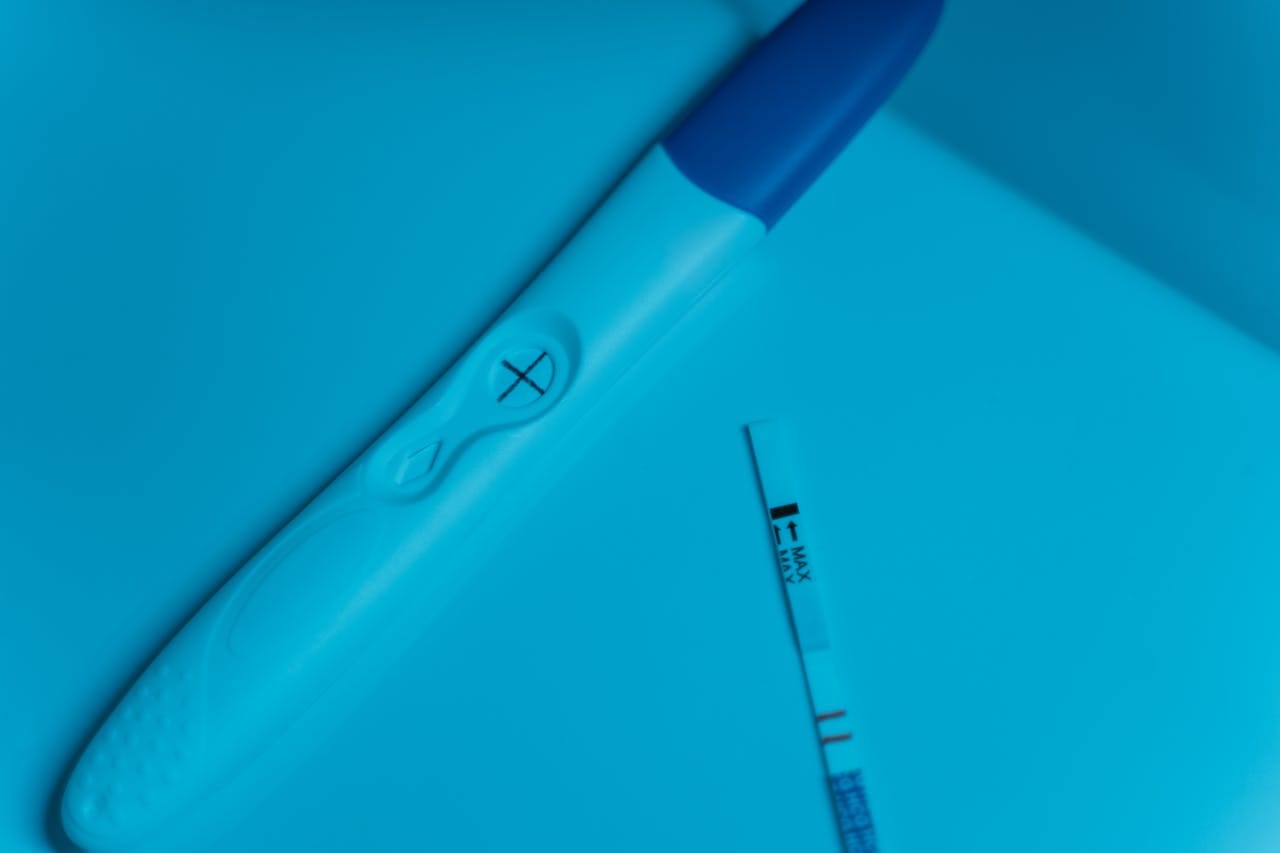
False negatives can cause unnecessary anxiety and delays in seeking proper prenatal care, which is why confirmatory testing is important when results are unclear.
Can Twin Pregnancies Cause a False Negative Result?
In most cases, twin pregnancies actually produce higher hCG levels, which means pregnancy tests may turn positive earlier. However, in rare situations, very high hCG levels can interfere with how some pregnancy tests work.
The Hook Effect Explained
The hook effect is a rare laboratory phenomenon that occurs when hCG levels are extremely high. Instead of producing a clear positive result, the excess hormone overwhelms the test’s antibodies, leading to:
- A very faint test line
- Inconsistent results
- A negative result despite pregnancy
This effect has been reported in some twin or multiple pregnancies, but it is uncommon and should not be assumed as the main cause of a negative test.
More Common Reasons for False Negative Pregnancy Tests
In most cases, false negative results are caused by factors unrelated to twins, including:
Testing Too Early
If testing is done before enough hCG has built up, the hormone may not be detectable yet.
Diluted Urine
Drinking a large amount of fluids before testing can dilute hCG levels in urine.
Incorrect Test Use
Using expired tests or not following instructions properly can affect accuracy.
Low Sensitivity Tests
Some pregnancy tests require higher hCG levels to show a positive result.
Irregular Ovulation
Late ovulation can delay implantation and hCG production, making pregnancy appear earlier than it actually is.
When Should You Retake a Pregnancy Test?
If you receive a negative result but still suspect pregnancy, consider:
- Retesting 5–7 days after your missed period
- Using first-morning urine
- Trying a more sensitive test
If uncertainty remains, a laboratory blood test is the most reliable next step.
Home Pregnancy Tests vs Laboratory Blood Tests
Home Pregnancy Tests
- Convenient and quick
- Detect hCG in urine
- Best used after a missed period
- More prone to false negatives in early pregnancy
Laboratory Blood Pregnancy Tests
- Detect lower levels of hCG earlier
- Provide precise hCG measurements
- More accurate than urine tests
- Useful when home test results are unclear
At LabTracka, blood pregnancy tests are conducted through trusted partner laboratories, ensuring accuracy and reliability.
When to Seek Professional Testing

You should consider laboratory pregnancy testing if:
- Your period is delayed but home tests are negative
- You have pregnancy symptoms despite negative results
- You want confirmation as early as possible
- You need reliable results for medical or personal reasons
Early and accurate confirmation helps ensure timely prenatal care and peace of mind.
Why Accurate Pregnancy Testing Matters
Accurate pregnancy detection is essential for:
- Proper prenatal planning
- Early medical guidance
- Emotional reassurance
- Monitoring high-risk or multiple pregnancies
Relying solely on repeated home tests may delay important healthcare decisions.
Get Clear Answers with LabTracka
While twin pregnancies can rarely cause false negative pregnancy tests, most negative results are due to early testing or test limitations. When results are confusing or symptoms persist, laboratory blood testing is the most reliable option.
With LabTracka, you can:
- Book a pregnancy blood test online
- Choose accredited partner laboratories
- Opt for convenient sample collection options
- Receive secure and confidential results
Don’t rely on guesswork. Get accurate pregnancy confirmation with LabTracka and take the next step with confidence.