
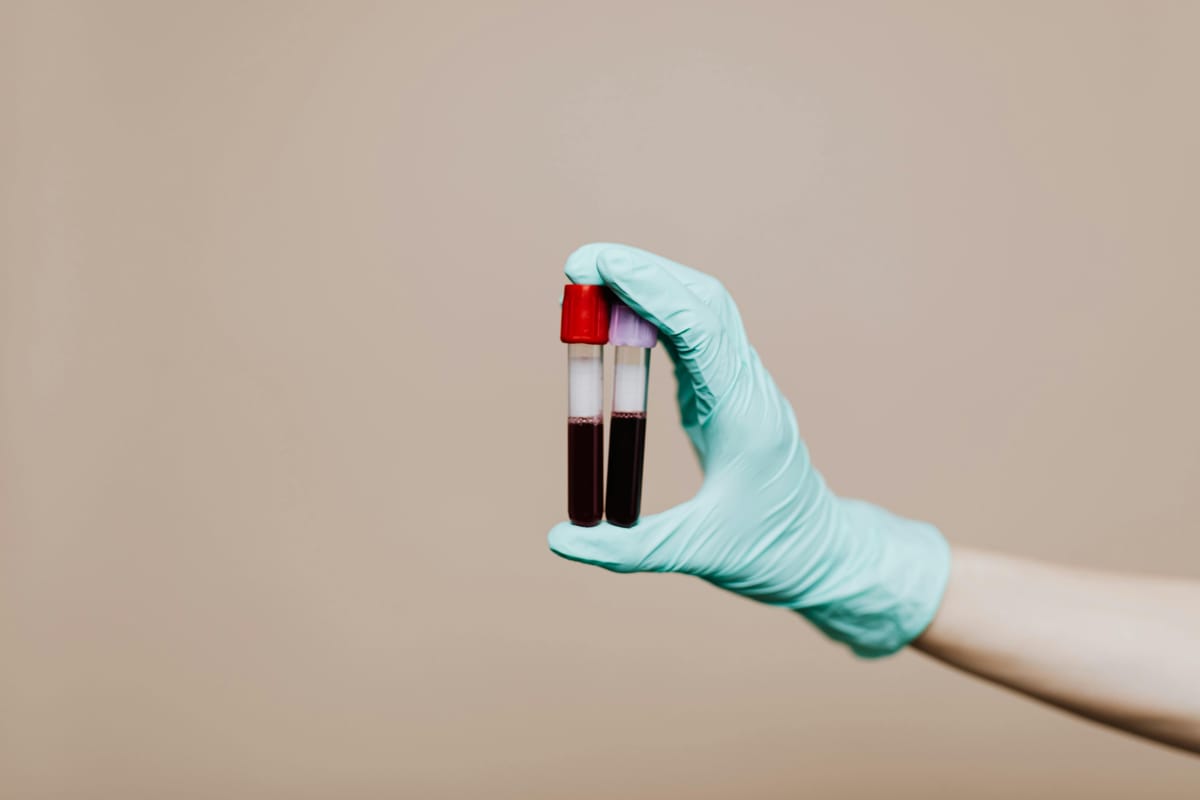
If your doctor has ever ordered blood work during a routine check-up or while investigating unexplained symptoms, there’s a good chance a complete metabolic panel (CMP) was part of it. Despite how common it is, many people don’t fully understand what this test measures or why it matters.
In this guide, we’ll walk through everything you need to know; what a CMP is, what tests it includes, how to prepare, and how to interpret your results.
What Is a Complete Metabolic Panel?
A complete metabolic panel is a blood test that measures 14 different substances in your blood. Together, these measurements provide important information about your metabolism, organ function, and chemical balance.
The CMP is often compared to a basic metabolic panel, which measures fewer components. Understanding the basic metabolic panel meaning is helpful here: a basic panel focuses mainly on electrolytes, kidney function, and glucose, while a complete metabolic panel expands on this by including liver function and protein levels.
Because it covers multiple systems in the body, the CMP is one of the most commonly ordered blood tests in both routine and diagnostic care.
What Is a Complete Metabolic Panel Used For?
Doctors use the complete metabolic panel for a wide range of purposes, including:
- Evaluating overall health during routine physical exams
- Monitoring chronic conditions such as diabetes, kidney disease, or liver disease
- Investigating symptoms like fatigue, nausea, swelling, or confusion
- Checking how well medications are working or whether they are affecting organs
Since the CMP looks at multiple body systems at once, it’s often used as a starting point when symptoms don’t have an obvious cause.
How Does a Comprehensive Metabolic Panel Work?
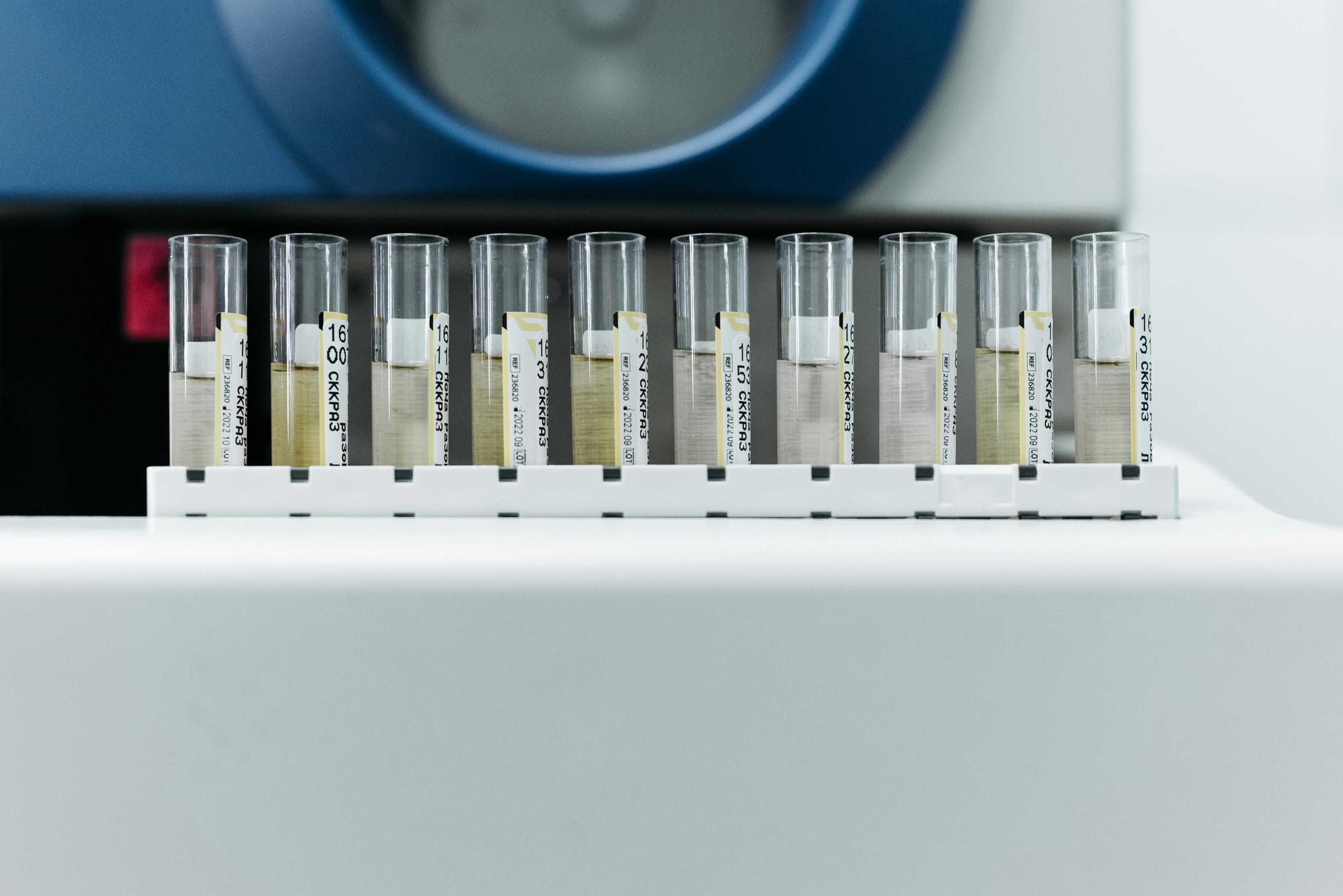
A comprehensive metabolic panel works by analyzing a blood sample taken from a vein, usually in your arm. Once collected, the sample is sent to a laboratory where automated equipment measures the levels of specific chemicals, enzymes, and proteins.
Each result is compared against a reference range. While these ranges represent typical values for healthy adults, it’s important to note that “normal” can vary slightly depending on age, sex, and the laboratory performing the test.
What Tests Are in a Comprehensive Metabolic Panel?
Understanding the complete metabolic panel test list helps make sense of your results. The CMP includes the following categories:
Electrolytes
- Sodium: Helps regulate fluid balance and nerve function
- Potassium: Essential for heart rhythm and muscle function
- Chloride: Works with sodium to maintain fluid balance
- Carbon dioxide (CO₂): Helps maintain acid-base balance
Kidney Function Tests
- Blood urea nitrogen (BUN). Indicates how well your kidneys remove waste
- Creatinine. Reflects kidney filtration efficiency
Liver Function Tests
- Alanine aminotransferase (ALT)
- Aspartate aminotransferase (AST)
- Alkaline phosphatase (ALP)
- Bilirubin
These markers help assess liver health and detect inflammation or damage.
Protein Tests
- Albumin: A protein made by the liver that helps maintain fluid balance
- Total protein: Measures albumin plus other proteins in the blood
Blood Sugar
- Glucose: Measures blood sugar levels and helps screen for diabetes
Together, these components give clinicians a comprehensive view of your metabolic health.
Why Do You Need a Comprehensive Metabolic Panel?
There are several reasons your doctor may recommend a CMP:
- Routine health screening: Many healthcare providers include it in annual check-ups.
- Diagnosis: It helps identify possible causes of symptoms like weakness, abdominal pain, or abnormal urination.
- Disease monitoring: People with diabetes, hypertension, or kidney disease often get CMPs regularly.
- Medication monitoring: Some drugs can affect liver or kidney function, and the CMP helps track these effects.
Because it covers so much ground, the test is often repeated over time to monitor trends rather than focusing on a single value.
What Happens During a CMP?
The process for a complete metabolic panel blood test is straightforward:
- Before the test: You may be asked to fast, depending on your doctor’s instructions.
- During the test: A healthcare professional draws blood from a vein, usually taking just a few minutes.
- After the test: You can resume normal activities, although mild bruising or soreness at the needle site is possible.
Results are typically available within a day or two.
Can a Metabolic Panel Detect Cancer?
A common question is whether a CMP can diagnose cancer. The short answer is no. A complete metabolic panel cannot directly detect cancer.

However, abnormal results may raise red flags that prompt further investigation. For example, unusual liver enzyme levels or elevated calcium may signal an underlying issue that requires additional tests, including imaging or biopsies.
Think of the CMP as a screening and monitoring tool, not a definitive cancer test.
Normal CMP Values for Adults
Normal ranges can vary slightly by laboratory, but typical adult reference ranges include:
- Glucose: 70–99 mg/dL (fasting)
- Sodium: 135–145 mEq/L
- Potassium: 3.5–5.0 mEq/L
- Creatinine: 0.6–1.3 mg/dL
- BUN: 7–20 mg/dL
- ALT: 7–56 U/L
- AST: 10–40 U/L
- Albumin: 3.5–5.0 g/dL
Your healthcare provider will interpret these values in context, rather than focusing on a single number.
Do You Need to Fast for a Comprehensive Metabolic Panel (CMP)?
One of the most common concerns is complete metabolic panel fasting. In many cases, you may be asked to fast for 8 to 12 hours before the test.
Fasting is particularly important for accurate glucose measurements. During this time, you should avoid food and drinks other than water. Your doctor or lab will let you know if fasting is required for your specific test.
What Do Comprehensive Metabolic Panel Test Results Mean?
Interpreting CMP results involves looking at patterns rather than isolated values.
- High glucose may suggest diabetes or prediabetes
- Abnormal kidney markers can indicate dehydration or kidney disease
- Elevated liver enzymes may point to liver inflammation, medication effects, or alcohol use
- Low protein levels could signal liver disease or nutritional issues
Abnormal results don’t always mean something is seriously wrong. Temporary factors like illness, dehydration, or recent exercise can also influence values.
What Are the Risks of a Comprehensive Metabolic Panel Blood Test?
The CMP is a low-risk procedure. Possible side effects include:
- Mild pain or bruising at the needle site
- Lightheadedness or dizziness
- Rarely, infection or excessive bleeding
For most people, the benefits of the test far outweigh the minimal risks.
Conclusion
A complete metabolic panel is one of the most useful blood tests for getting a broad picture of your overall health. Evaluating key markers related to your kidneys, liver, blood sugar, and electrolyte balance can help doctors identify potential issues early and monitor existing conditions over time.
If your healthcare provider recommends a complete metabolic panel blood test, understanding what it measures and how to prepare, especially when complete metabolic panel fasting is required, can help ensure accurate results.
Just as important is choosing a reliable testing service. Platforms like LabTracka make it easier to access accredited laboratories, schedule tests conveniently, and receive dependable results you can trust.
Whether you’re taking a CMP as part of a routine check-up or to investigate specific symptoms, getting tested through a trusted provider ensures your results truly reflect your health and support informed medical decisions. Reach out to us today to get access to certified professionals who will carry out a hitch-free comprehensive metabolic panel.
Frequently Asked Questions (FAQs)
1. What is a complete metabolic panel?
A complete metabolic panel (CMP) is a blood test that measures 14 substances in your blood to assess kidney function, liver function, blood sugar levels, electrolytes, and overall metabolic health.
2. What is a complete metabolic panel blood test used for?
A complete metabolic panel blood test is used to monitor overall health, diagnose medical conditions, track chronic illnesses like diabetes or kidney disease, and check how medications may be affecting your organs.
3. What is the difference between a complete metabolic panel and basic metabolic panel meaning?
The basic metabolic panel meaning refers to a test that measures fewer components, mainly electrolytes, glucose, and kidney function. A complete metabolic panel includes all of these plus liver function and protein tests.
4. What tests are included in the complete metabolic panel test list?
The complete metabolic panel test list includes glucose, calcium, sodium, potassium, chloride, carbon dioxide, blood urea nitrogen (BUN), creatinine, albumin, total protein, bilirubin, ALT, AST, and alkaline phosphatase.
5. How is a complete metabolic panel performed?
A healthcare professional draws a small blood sample from a vein in your arm, which is then analyzed in a laboratory. The process usually takes only a few minutes.
6. Do you need complete metabolic panel fasting before the test?
In many cases, complete metabolic panel fasting is required. You may be asked to fast for 8–12 hours, especially to ensure accurate blood glucose results.
7. What happens if I don’t fast before a complete metabolic panel?
Not fasting can affect certain results, particularly blood sugar levels. This may lead to inaccurate readings and the need to repeat the test.
8. What do abnormal complete metabolic panel results mean?
Abnormal results may indicate issues such as dehydration, liver disease, kidney problems, or blood sugar imbalances. Your doctor will interpret the results in context with your symptoms and medical history.
9. Can a complete metabolic panel detect cancer?
A complete metabolic panel cannot diagnose cancer, but it may show abnormal values that prompt further testing or investigation.
10. How often should a complete metabolic panel be done?
Frequency depends on your health status. Some people get it annually during routine check-ups, while others may need it more often to monitor chronic conditions.
11. Are normal ranges the same for everyone in a complete metabolic panel?
Normal ranges can vary slightly by laboratory, age, sex, and overall health. Your healthcare provider will explain what your results mean for you specifically.
12. What are the risks of a complete metabolic panel blood test?
Risks are minimal and may include slight bruising, mild pain at the needle site, or lightheadedness. Serious complications are rare.
13. Can medications affect complete metabolic panel results?
Yes. Certain medications, including diuretics and blood pressure drugs, can influence CMP results. Always inform your healthcare provider about what you’re taking.
14. How long does it take to get complete metabolic panel results?
Results are often available within 24 to 48 hours, depending on the laboratory and testing platform used.
15. Where can I get a reliable complete metabolic panel test in Nigeria?
You can get a complete metabolic panel blood test through accredited laboratories and trusted platforms like LabTracka, which help ensure accurate testing and reliable results.