
A CVS drug test is one of the most commonly used pharmacy-based drug screening options, especially for employment, pre-screening, and personal testing purposes. Are you preparing for workplace recruitment, curious about THC detection, or want to know how CVS drug testing works? You’re in the right place.
This article explains how CVS drug tests work, the types available, their limitations, pricing expectations, how results are handled, and what happens if a test is failed.
Types of CVS Drug Testing
CVS Health provides several drug testing options, depending on the purpose of the test and whether it is conducted in-store or at home.
Urine Drug Tests at CVS
Urine drug testing is the most widely used CVS drug test. This method is favoured because it can detect a broad range of substances and offers a well-established detection window.
Urine tests sold or administered through CVS can screen for marijuana (THC), cocaine, opioids, amphetamines, benzodiazepines, and other commonly abused substances. Employers often prefer urine tests due to their reliability and standardisation across industries.
Oral Fluid (Saliva) Drug Tests
Saliva-based CVS drug tests are particularly useful for detecting recent drug use, as substances appear in saliva more quickly than in urine. These tests are less invasive and easier to administer, though their detection window is typically shorter.
At-Home Drug Test Kits
CVS also sells at-home drug test kits, which are intended for private or preliminary screening. These kits allow individuals to collect samples themselves and obtain results without visiting a clinic. While convenient, at-home tests are usually not accepted for official employment or legal purposes unless followed by laboratory confirmation.
Limits of Urine Drug Testing
Although urine drug testing is one of the most commonly used screening methods, it is not capable of detecting every substance, nor does it provide a complete picture of drug use. Understanding these limitations is important, especially when interpreting CVS drug test results or relying on them for employment or compliance purposes.
Substances Urine Tests May Not Detect
Standard urine drug tests are designed to identify a defined group of commonly abused substances. Drugs that fall outside these panels may go undetected unless a specialised or expanded test is used. Substances that a typical urine drug test may not reliably detect include:
- Synthetic cannabinoids: (often sold as Spice or K2) are chemically different from natural THC.
- New psychoactive substances (NPS): This may not be included in standard testing panels
- Certain prescription medications: This may include some antidepressants or blood pressure drugs, unless specifically targeted
- Inhalants: This includes solvents, aerosols, and gases
- Alcohol: unless a separate alcohol-specific test is administered
- Microdosed or low-concentration substances: that fall below the test’s detection threshold
Because drug testing panels vary, a CVS drug test will only detect substances it is designed to screen for.
Factors That Affect the Accuracy of Urine Drug Tests
Several biological and technical factors can influence how accurately a urine drug test detects substances. These factors help explain why detection times and results can differ between individuals:
- Hydration levels: Excessive fluid intake can dilute urine, potentially lowering drug concentration.
- Metabolism rate: Faster metabolisms may process and eliminate substances more quickly.
- Body fat percentage: Fat-soluble substances like THC can remain stored in fat cells and be released over time.
- Frequency of drug use: Regular or heavy use increases detection windows compared to occasional use.
- Dosage and potency: Higher doses or stronger formulations are detectable for longer periods.
- Type of substance used: Different drugs metabolise at different rates.
- Test sensitivity and cutoff levels: More sensitive tests detect lower concentrations.
- Time between use and testing: Drugs are only detectable within specific windows.
- Urine sample dilution or concentration: Laboratories check creatinine levels to assess sample validity.
For example, THC may remain detectable for several days in occasional users but can be present for weeks in frequent users, largely due to fat storage and slow release.
How Tests Are Conducted
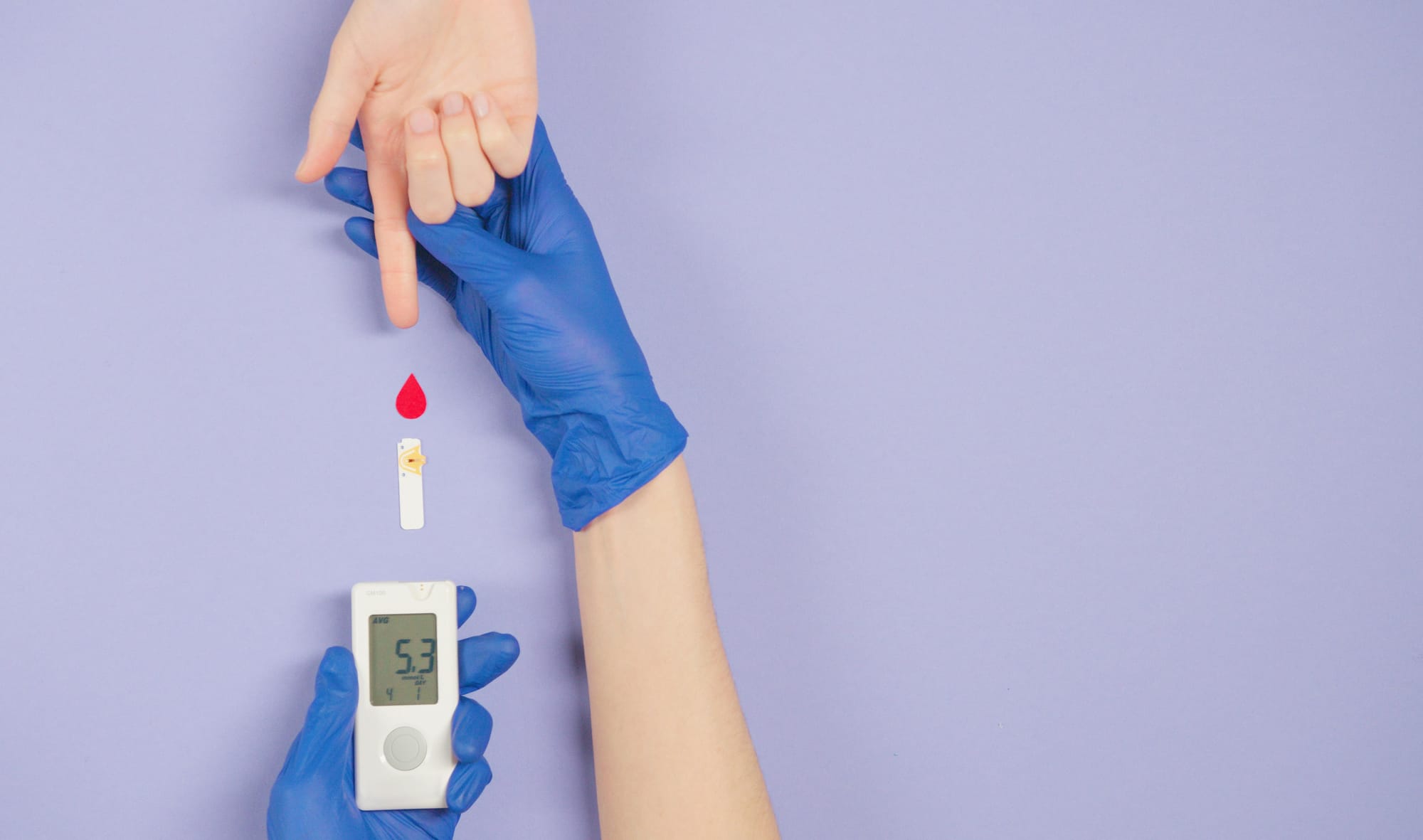
The process used for a CVS drug test depends on whether the test is carried out in-store under professional supervision or completed privately using an at-home testing kit. Each method follows different procedures, levels of oversight, and standards of reliability.
In-Store Testing Process
In-store CVS drug testing is typically used for employment, clinical, or compliance-related screening. These tests follow controlled procedures designed to maintain accuracy and prevent sample tampering.
Individuals are usually required to present valid identification before the test is administered. The sample collection process is supervised or closely monitored to ensure the integrity of the specimen.
Once collected, the sample may be analysed on-site for preliminary screening or sent to a certified laboratory for detailed analysis. Laboratory testing includes confirmatory procedures that verify initial results and rule out false positives.
At-Home Testing Process
At-home CVS drug test kits are designed for convenience and privacy. Each kit includes detailed instructions that guide users through the sample collection and testing process step by step.
Users collect either a urine or saliva sample, depending on the test type, and apply it to the testing device. Results are typically available within minutes and are displayed as positive or negative based on predefined cutoff levels.
When Drug Testing May Be Required
A CVS drug test may be required in several circumstances, most commonly related to employment.
Many employers use CVS drug testing as part of their pre-employment screening process. This is especially common in industries where safety, compliance, or public responsibility is a priority, such as healthcare, transportation, construction, and security.
Drug testing may also be conducted randomly during employment. Random testing is intended to maintain a drug-free workplace and reduce safety risks. In some cases, testing may be required after workplace incidents or accidents, or as part of return-to-work agreements following disciplinary action.
How Long Do CVS Drug Test Results Take?
The time it takes to receive CVS drug test results depends on the testing method.
At-home CVS drug test kits usually provide results within minutes. These instant results indicate whether a substance is present above the cutoff level, but they are considered preliminary.
Laboratory-based CVS drug test results generally take between 24 and 72 hours. If an initial screening is positive, confirmatory testing may extend the timeline. Final CVS drug test results are typically reported as positive, negative, or inconclusive.
What Happens if You Fail a Drugs Test at CVS Health?
Failing a CVS drug test can have different consequences depending on why the test was required.
If the test is employer-mandated, results are usually sent directly to the employer or a medical review officer. CVS Health does not make employment decisions; it only provides the testing service. The employer determines whether a failed test affects hiring, continued employment, or disciplinary action.
In some cases, individuals may be allowed to explain a positive result by providing proof of a legitimate prescription. Confirmatory testing is often conducted to rule out false positives before final decisions are made.
Conclusion
CVS drug tests provide a convenient and reliable way to screen for a range of substances, including marijuana (THC), opioids, amphetamines, and more. Whether conducted in-store under professional supervision or privately through at-home kits, these tests follow established procedures designed to ensure accuracy and integrity.
While urine and saliva tests are effective, it is important to understand their limitations, including detection windows, substances that may go undetected, and factors that can influence results.
For individuals facing employment screening, workplace compliance requirements, or personal monitoring, CVS drug testing offers a practical solution. Understanding how the tests are conducted, their costs, and the implications of positive results can help users prepare appropriately and interpret outcomes confidently.
For individuals seeking accessible and reliable testing solutions, platforms like LabTracka can complement CVS drug testing by connecting users with certified laboratories, providing detailed information on test options, and facilitating safe and convenient sample collection. Reach out to us today.
Frequently Asked Questions (FAQs)
What is a CVS drug test, and how does it work?
A CVS drug test is a screening process used to detect drugs in the body through urine or saliva samples. The test identifies whether drug levels exceed established thresholds.
Does CVS drug test for weed?
Yes, a CVS drug test for weed screens for THC, which is the active compound in cannabis.
Does CVS drug test THC in at-home kits?
Most at-home CVS drug test kits include THC screening, though the number of substances tested depends on the specific kit.
How accurate are CVS drug test results?
CVS drug test results are generally accurate when instructions are followed correctly. Laboratory-confirmed results are more reliable than instant at-home tests.
How much does a CVS drug test cost?
The CVS drug test price varies. At-home kits are cheaper, while lab-based tests cost more due to professional handling and analysis.
How long do CVS drug test results take to come out?
Instant CVS drug test results are available within minutes, while laboratory results may take up to three days.
Can prescription drugs affect CVS drug test results?
Yes, some prescription medications can trigger positive results, which is why confirmation testing is important.
What happens if you fail a drugs test at CVS Health?
If you fail a CVS drug test, the requesting organisation—usually an employer—decides the next steps. CVS Health only provides the test.
Are CVS drug tests used for employment screening?
Yes, CVS drug tests are commonly used for pre-employment and workplace drug screening.
Can CVS drug tests detect recent drug use only?
Detection windows vary by substance, frequency of use, and test type. Some drugs remain detectable longer than others.
Can Nigerians use CVS drug test kits?
Nigerians can access information about CVS drug tests and may use at-home kits depending on availability and shipping options.
Are CVS drug test results confidential?
Yes, CVS drug test results are handled confidentially and shared only with authorised parties.
Can you retake a CVS drug test after failing?
Retesting depends on employer or organisational policies and is not automatically guaranteed.
Does hydration affect CVS drug test results?
Excessive hydration may dilute urine samples, but laboratories check for dilution markers.
Is a CVS drug test suitable for legal purposes?
Laboratory-based CVS drug tests are more suitable for legal or employment documentation than at-home tests.