
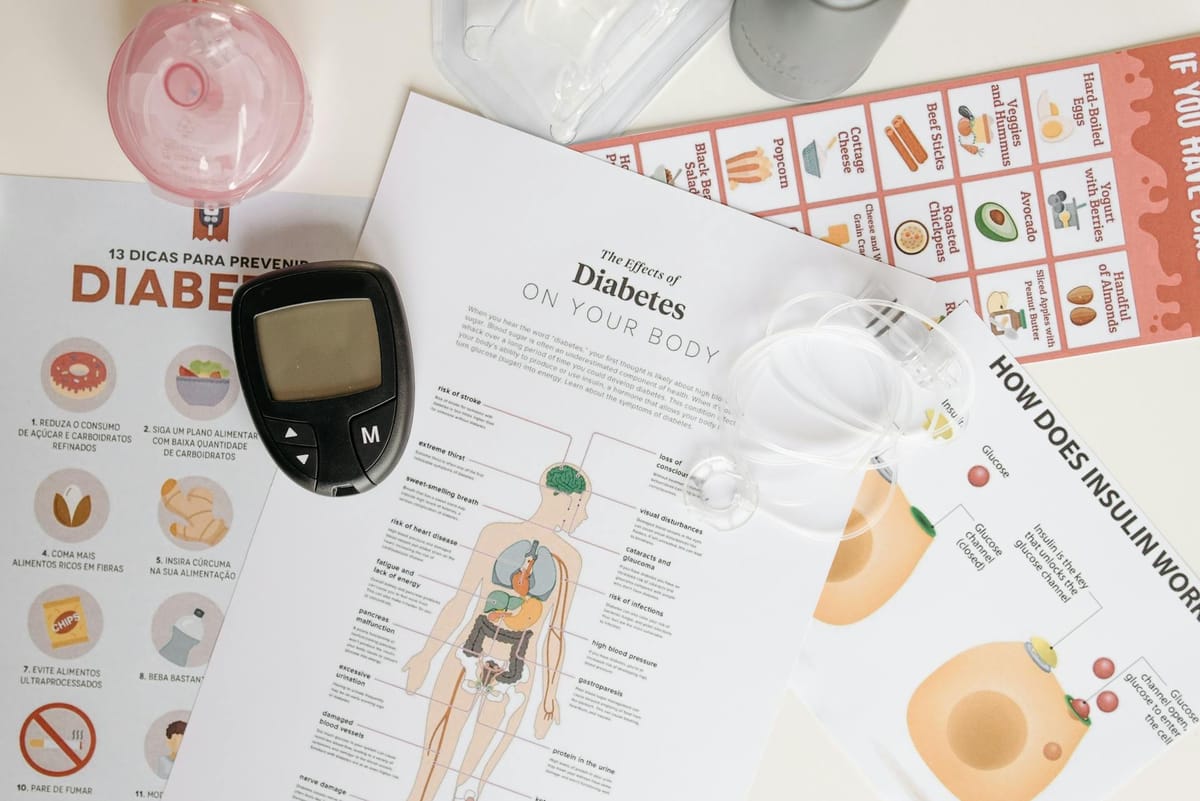
A diabetes test from home has become one of the easiest ways for Nigerians to monitor their health without frequent hospital visits. With the rise of lifestyle-related illnesses and increased awareness around diabetes, many people now want to know how to carry out a diabetes test at home, understand their blood sugar readings, and know when to seek medical help.
This guide explains everything you need to know about conducting a blood sugar test in home, the tools required, normal and dangerous blood sugar levels, and even how a diabetes check in home can be done without a machine.
What Is a Diabetes Test From Home?
A diabetes test from home refers to checking your blood sugar levels yourself, usually using a glucometer or other simple testing tools, without visiting a clinic or laboratory. While it does not replace professional diagnosis, it helps with early detection, routine monitoring, and better diabetes management.
Who Should Do a Diabetes Test at Home?
Home blood sugar testing is useful for:
- People already diagnosed with diabetes
- Nigerians with a family history of diabetes
- Individuals experiencing symptoms like frequent urination, excessive thirst, or unexplained weight loss
- Pregnant women monitoring gestational diabetes
- Anyone advised by a doctor to monitor their blood sugar regularly
Benefits of a Diabetes Check in Home
- Convenience and privacy
- Early detection of abnormal blood sugar levels
- Better control for people living with diabetes
- Reduced hospital visits and costs
Tools Needed for a Diabetes Test at Home
To properly conduct a blood sugar test at home, you need a few basic items.
Glucometer (Blood Sugar Testing Machine)
A glucometer is a portable device used to measure blood glucose levels. It gives quick results and is widely available in Nigerian pharmacies.
Test Strips and Lancets
- Test strips collect the blood sample
- Lancets are small needles used to prick the finger
These are usually sold alongside glucometers.
Cost of Blood Sugar Testing Kits in Nigeria
Depending on the brand, a glucometer can cost between ₦8,000 and ₦25,000, while test strips range from ₦3,000 to ₦10,000 per pack. Prices vary by pharmacy and online store.
How to Check Blood Sugar at Home With Finger
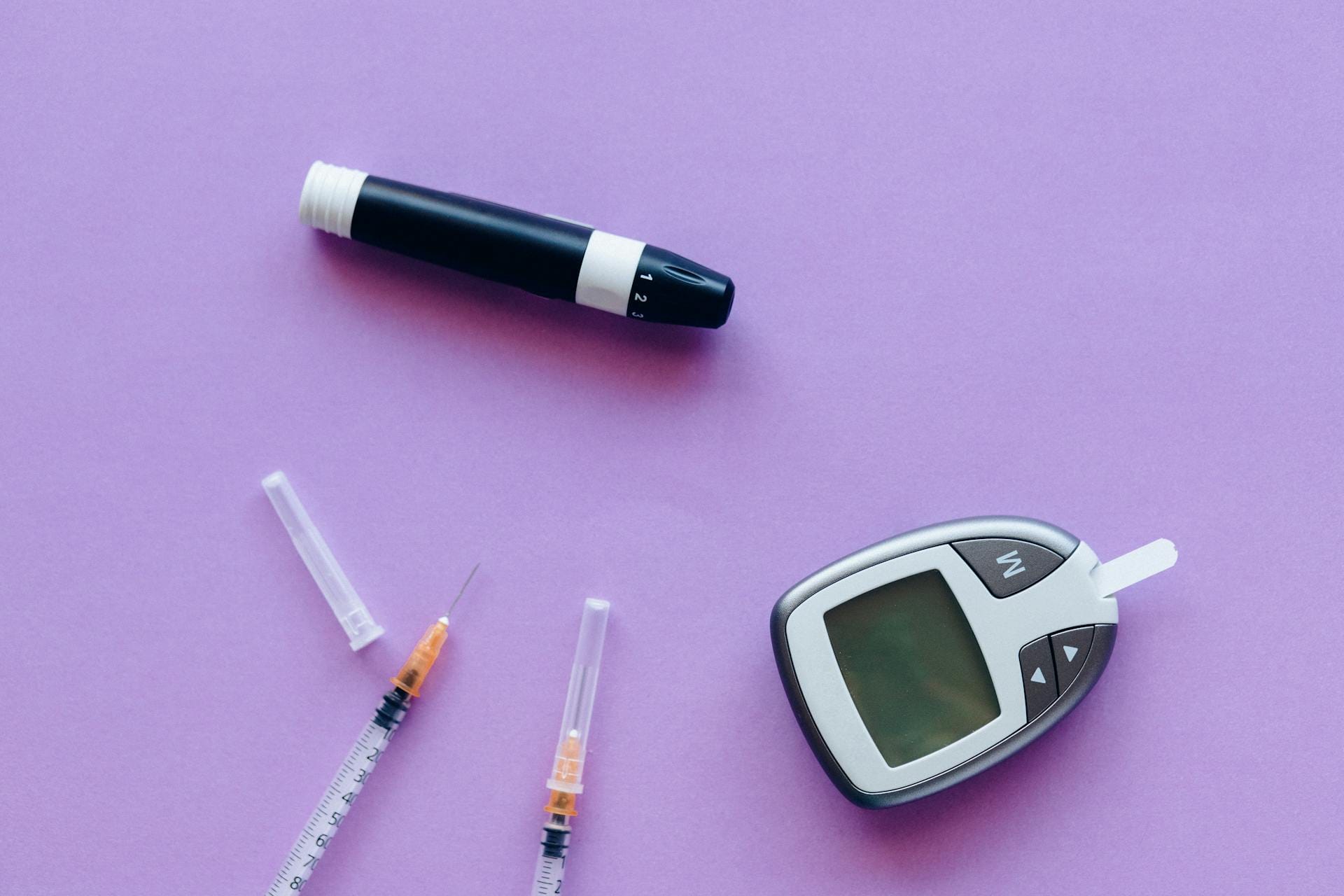
This is the most common and reliable method for a diabetes test at home.
Step-by-Step Guide
- Wash your hands with soap and warm water
- Insert a test strip into the glucometer
- Use a lancet to prick the side of your fingertip
- Gently squeeze to get a drop of blood
- Touch the blood to the test strip
- Wait for the reading to appear on the screen
Tips for Accurate Results
- Use clean, dry hands
- Avoid squeezing the finger too hard
- Check expiry dates on test strips
- Record your results for tracking
Types of Blood Sugar Test
Understanding the different types of blood sugar tests helps you interpret your results correctly.
Fasting Blood Sugar Test
Done after not eating for at least 8 hours. It is commonly used to detect diabetes.
Random Blood Sugar Test
Can be done at any time, regardless of meals. Useful for quick checks.
Post-Meal Blood Sugar Test
Taken two hours after eating to see how your body handles glucose.
HbA1c Test
Measures average blood sugar over the past 2–3 months. This test usually requires a laboratory but is crucial for long-term monitoring.
Normal Blood Sugar Levels Chart
Knowing what is normal is essential when doing a diabetes test from home.
Normal Blood Sugar for Diabetics
People living with diabetes may have slightly higher target ranges, usually determined by a doctor based on age and health condition.
What Level of Blood Sugar Is Dangerous?
Certain readings during a blood sugar test in home should not be ignored.
High Blood Sugar (Hyperglycaemia)
- Fasting blood sugar above 126 mg/dL
- Random blood sugar above 200 mg/dL
Symptoms may include fatigue, blurred vision, frequent urination, and excessive thirst.
Low Blood Sugar (Hypoglycaemia)
- Blood sugar below 70 mg/dL
Symptoms include dizziness, sweating, confusion, shaking, and in severe cases, loss of consciousness.
When to Seek Medical Help
If your readings remain consistently high or low, or you experience severe symptoms, seek medical attention immediately at a hospital or clinic in Nigeria.
How to Check Blood Sugar at Home Without Machine
Some people want to know how a diabetes check in home can be done without a glucometer. While these methods are not diagnostic, they can provide warning signs.
Monitoring Symptoms
Common signs that may suggest high blood sugar include:
- Frequent urination
- Constant thirst
- Slow-healing wounds
- Unexplained weight loss
Urine Sugar Test Strips
Urine test strips can detect glucose in urine, but they are less accurate than blood tests and cannot replace a proper diabetes test at home using a glucometer.
Important Disclaimer
Checking blood sugar at home without a machine should not be relied upon for diagnosis. A medical test is always recommended for confirmation.
How Often Should You Do a Diabetes Test at Home?
For Non-Diabetics
Once every few months or when symptoms appear is usually sufficient.
For People Living With Diabetes
Some may need to check daily or multiple times a day, depending on medication, diet, and doctor’s advice.
Where to Buy Blood Sugar Testing Kits in Nigeria
You can buy glucometers and testing supplies from:
- Local pharmacies and hospitals
- Medical equipment stores
- Online platforms such as Jumia, Konga, and health-focused e-commerce sites
What to Look for When Buying a Glucometer
- Accuracy and certification
- Availability of test strips
- Ease of use
- Warranty and customer support
Conclusion
Doing a diabetes test from home is a simple but powerful step towards taking control of your health. Whether you are monitoring an existing condition or checking your blood sugar for the first time, home testing helps you stay informed, spot warning signs early, and make better lifestyle choices. With the right tools, accurate readings, and a clear understanding of normal and dangerous blood sugar levels, a diabetes check in home can fit easily into your daily routine.
That said, home testing works best when combined with professional medical support. If you need reliable laboratory tests, expert interpretation of your results, or convenient health services without the stress of hospital queues, LabTracka makes the process easier. From booking verified lab tests to accessing trusted healthcare services, LabTracka helps you take the next step after your diabetes test from home with confidence and peace of mind.
Your health matters. Stay informed, test wisely, and don’t hesitate to use trusted platforms like LabTracka to support your journey to better health.
Frequently Asked Questions About Diabetes Test From Home
1. What is a diabetes test from home?
A diabetes test from home is a way to check your blood sugar levels by yourself, usually using a glucometer or test strips, without visiting a hospital or laboratory. It helps with early detection and ongoing monitoring.
2. Is a diabetes test at home accurate?
A diabetes test at home can be accurate when done correctly with a reliable glucometer. However, it does not replace laboratory tests, which are needed for an official diagnosis.
3. How do I perform a blood sugar test in home?
To do a blood sugar test in home, wash your hands, prick your fingertip with a lancet, place a drop of blood on a test strip, and insert it into a glucometer to get your reading.
4. Can I do a diabetes check in home without a machine?
A diabetes check in home without a machine is possible by monitoring symptoms or using urine glucose strips, but these methods are not reliable for diagnosis and should not replace blood tests.
5. What is the best time to do a diabetes test from home?
The best time depends on the test type. Fasting blood sugar tests are done in the morning before eating, while random tests can be done at any time.
6. Do I need to fast before a diabetes test at home?
Fasting is required for a fasting blood sugar test, but it is not needed for a random diabetes test at home or post-meal testing.
7. What is a normal blood sugar reading when testing at home?
For most people, a normal fasting reading during a blood sugar test in home is between 70 and 99 mg/dL. Readings may vary depending on whether you have diabetes.
8. What blood sugar level is considered dangerous?
Blood sugar levels above 200 mg/dL or below 70 mg/dL during a diabetes test from home can be dangerous and may require immediate medical attention.
9. How often should I check my blood sugar at home?
People without diabetes may check occasionally, while those living with diabetes may need to perform a diabetes test at home daily or multiple times a day, depending on medical advice.
10. Can food affect my blood sugar test results at home?
Yes. Meals, snacks, sugary drinks, and even large portions of carbohydrates can affect the results of a blood sugar test in home, especially post-meal readings.
11. Can stress or illness affect a diabetes test from home?
Stress, infections, and lack of sleep can raise blood sugar levels and influence the results of a diabetes test from home.
12. Are home blood sugar tests suitable for diagnosing diabetes?
Home tests can indicate abnormal levels, but a confirmed diagnosis of diabetes must be done through laboratory tests prescribed by a healthcare professional.
13. Where can I buy supplies for a diabetes test at home in Nigeria?
You can buy glucometers and test strips from pharmacies, hospitals, medical stores, and online platforms when preparing for a diabetes test at home.
14. Is it safe for children to do a diabetes check in home?
Yes, a diabetes check in home can be done for children under adult supervision, especially when recommended by a doctor.
15. What should I do if my home test results are consistently high?
If repeated diabetes test from home readings show high blood sugar levels, you should consult a healthcare provider or book a laboratory test for proper evaluation.