
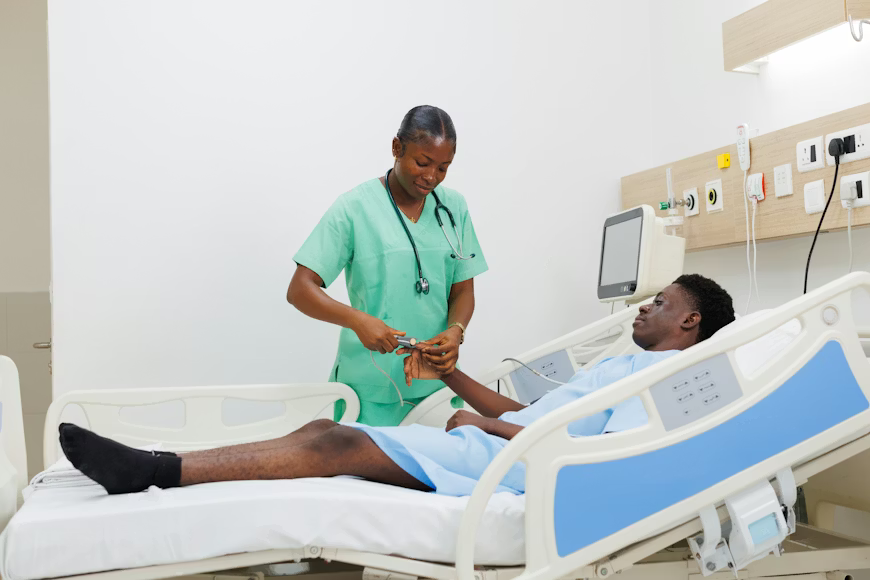
Many serious illnesses in Nigeria often develop silently, showing little to no warning signs until they become life-threatening. Yet, these illnesses can be detected early through a full body checkup.
The challenge is that many Nigerians still do not fully understand what that involves, who needs it, how much it costs, or where to get one. In this article, we explore what it is, who should get one, how often it should be done, its benefits, what it costs in Nigeria, and what to do after receiving your results.
What Is a Full Body Checkup?

A full body checkup is a comprehensive medical examination that assesses the overall state of your health. It involves a combination of physical examinations, laboratory tests, and sometimes imaging scans to detect diseases early and evaluate how well your organs are functioning.
In many hospitals and diagnostic centres in Nigeria, a full body checkup may also be called:
- Executive health check
- Comprehensive health screening
- Preventive health package
- Medical fitness check
Though the names differ, they generally serve the same purpose of assessing your overall health.
Who Needs a Full Body Checkup?
Health problems rarely announce themselves loudly at an early stage. Many people feel “fine” on the surface while serious conditions gradually develop beneath. This is why waiting until symptoms appear is often too late.
A full body checkup serves as a preventive shield, helping individuals uncover hidden health risks before they become severe or expensive to treat. But does this mean everyone needs one, or only certain groups? We take a keen look at them below:
Age-Based Recommendations
- Young adults (18–30 years). Useful for establishing a health baseline.
- Middle-aged adults (31–50 years). Highly recommended due to rising lifestyle-related diseases.
- Older adults (51+ years). Essential for monitoring chronic conditions and organ function.
People with Risk Factors
You should strongly consider a full body checkup if you:
- Have a family history of hypertension, diabetes, cancer, or heart disease
- Smoke or consume alcohol frequently
- Are overweight or physically inactive
- Experience frequent fatigue or unexplained symptoms
Special Groups
- People with chronic illnesses
- Pregnant women (with customised packages)
- Corporate workers are required to undergo routine medical screening.
This doesn’t exclude children from undergoing a full body checkup. If your child is ill or you believe they are experiencing symptoms like malaria, ulcer, and the like, it is highly recommended to have them checked out.
What Does a Full Body Checkup Involve?
Basic Tests (Blood, Urine, Vitals)
This usually includes:
- Complete blood count
- Fasting blood sugar
- Lipid profile
- Urinalysis
- Blood pressure
- Body mass index (BMI)
Imaging & Scans (X-ray, Ultrasound, ECG)
Depending on age and symptoms:
- Chest X-ray
- Abdominal ultrasound
- Electrocardiogram (ECG) to check heart activity
Specialist Screenings
Some packages may include:
- Thyroid function tests
- Prostate-specific antigen (PSA) for men
- Cervical screening for women
- Hormonal tests
Physical Exam and Medical History Review
A doctor reviews your medical history, examines you physically, and interprets your test results to give professional advice.
Benefits of a Full Body Checkup
There are several benefits attached to undergoing a full body checkup either at home or at a your medical laboratory. Some of these benefits include:
Early Detection of Disease
Many diseases, such as diabetes, hypertension, kidney disease and some cancers, show no early symptoms. A full body checkup helps detect these conditions early, when they are easier and cheaper to manage.
Prevention and Risk Management
Knowing your health status allows you to make lifestyle changes that prevent future illness. This includes diet, exercise, stress management and medication when necessary.
Peace of Mind and Baseline Health Metrics
A normal result gives reassurance, while abnormal findings provide a clear starting point for treatment. It also creates a health baseline for future comparison.
How Often Should You Get a Full Body Checkup?
Routine Schedule by Age Group
- Below 30 years. Every 2–3 years
- 30–50 years. Once every 1–2 years
- Above 50 years. Every year
When to Increase Frequency
You may need more frequent checkups if:
- You have abnormal past test results
- You recently changed your lifestyle drastically
- You develop new symptoms
- You have been diagnosed with a chronic condition
Can We Do a Full Body Checkup During Periods?
This is a common concern among women asking, “can we do a body checkup during periods?”.
During menstruation, the following may be affected:
- Urine tests (may contain menstrual blood)
- Hormone tests
- Pelvic ultrasound
When It’s Okay to Proceed
Most blood tests, cholesterol tests, liver, and kidney function tests can still be done safely during periods without affecting results significantly.
When to Reschedule
If your package includes pelvic scans, hormone panels or detailed urine tests, it is advisable to reschedule for a few days after your period ends for more accurate results.
Full Body Checkup Cost and Affordability in Nigeria
One of the biggest concerns for many Nigerians considering a full body checkup is the cost. While the importance of preventive healthcare is widely acknowledged, affordability often determines whether people actually go ahead to book a screening.
The truth is that the full body checkup price in Nigeria varies widely depending on the type of tests, the facility, location, and whether the service is done at a hospital, diagnostic centre, or at home. Understanding these cost factors helps you budget properly and avoid unexpected expenses.
Factors That Influence Full Body Checkup Cost in Nigeria
Type of Checkup Package
Basic, standard, and executive packages all come with different price points depending on how comprehensive the tests are. For instance, while standard packages may cost ₦50,000, premium packages may be as high as ₦250,000.
Healthcare Facility
Private hospitals, diagnostic centres, and teaching hospitals charge different rates for the same tests.
Location
Full body checkup cost in Lagos, Abuja, and Port Harcourt is generally higher than in smaller cities and towns.
Number of Tests Included
The more tests included in a package, the higher the overall full body checkup price.
Use of Home Testing Services
Home sample collection often attracts additional convenience fees.
How to Book a Full Body Checkup in Nigeria
Booking a full body checkup in Nigeria is now easier than ever, thanks to health technology platforms like LabTracka. These platforms connect you with vetted and certified medical laboratories, allowing you to order lab tests online and receive accurate, reliable results without the stress of moving from one hospital to another.
With LabTracka, you can conveniently select the exact tests you need, with each test clearly explained through detailed descriptions and highlighted medical benefits. Once you place your order, the platform connects you to a partner laboratory or collection centre near your location.
You also have the option to schedule a home visit by a certified phlebotomist for sample collection or request a self-collection kit delivered to your home.
After your samples are analysed, your confidential test results are delivered online within a few days, ensuring both privacy and speed. Beyond just providing results, LabTracka also offers personalised health information to help you understand your results and determine your next steps.
Conclusion
A full body checkup is a proactive step towards long-term wellness. It helps you understand what is happening inside your body before symptoms appear, allowing you to take early action.
With available options for hospital visits and a full body checkup at home, access to preventive healthcare is now easier than ever.
Remember, health is wealth, and a checkup is the first step to protecting it. Book a test today.
Frequently Asked Questions (FAQ)
What is a full body checkup?
It is a comprehensive health screening that examines your vital organs and general well-being using blood tests, urine tests, scans, and a doctor’s physical examination to detect diseases early.
Who should go for a full body checkup?
Anyone can go for a full body checkup, but it is especially important for adults above 30, people with family histories of illness, individuals with unhealthy lifestyles, and those managing chronic conditions.
What tests are usually included in a full body checkup?
A typical full body checkup includes blood sugar tests, cholesterol tests, liver and kidney function tests, blood pressure checks, urine analysis, and sometimes scans like an ultrasound or an ECG.
What are the benefits of a full body checkup?
The main benefits of a full body checkup include early disease detection, prevention of serious complications, better health planning, and peace of mind about your health status.
How much does a full body checkup cost in Nigeria?
The full body checkup cost in Nigeria depends on the hospital and the number of tests included. Prices typically range from ₦50,000 for basic packages to over ₦250,000 for executive packages.
Can I do a full body checkup at home?
Yes. A full body checkup at home is available through mobile diagnostic services that collect blood and urine samples from your home and send results digitally. However, scans still require clinic visits.
Can you do a full body checkup during periods?
Yes, you can do a full body checkup during periods, but certain tests like urine analysis, pelvic scans, and hormonal tests may be affected. It is best to inform the laboratory before testing.
How often should I go for a full body checkup?
Healthy adults should do a full body checkup every 1–2 years, while people above 50 or those with medical conditions should consider annual checkups.
How do I book a full body checkup in Nigeria?
You can make use of LabTracka to book a checkup online. You can either request a checkup at home or visit any of its vetted and certified partner medical labs.
Do I need to fast before a full body checkup?
Yes. For accurate results, fasting for 8–12 hours is usually required before blood sugar and cholesterol tests during a full body checkup. Always confirm fasting requirements when booking.
When should I see a doctor after a full body checkup?
You should see a doctor immediately after your full body checkup if your results show abnormal values or if you experience symptoms like dizziness, chest pain, persistent fatigue, or unexplained weight loss.