
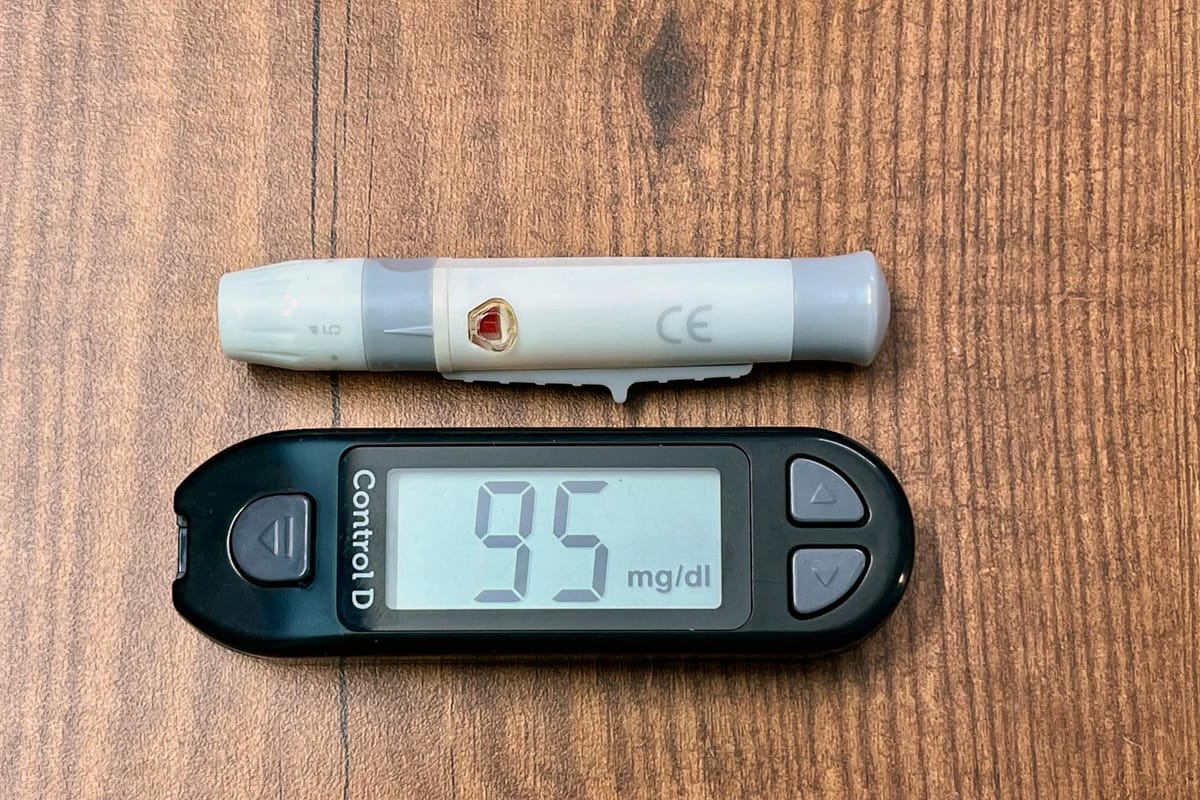
A glucose test fasting is one of the most common and reliable ways to check how your body manages sugar. In Nigeria, where diabetes and prediabetes are increasingly common due to lifestyle changes, diet, and genetics, understanding how this test works is more important than ever.
Whether your doctor has requested the test, you are monitoring your health proactively, or you simply want clarity on blood sugar testing, this guide explains everything you need to know—from preparation to interpreting your results and deciding next steps.
What Is a Glucose Test Fasting?
A glucose test fasting, also known as a fasting blood sugar test, measures the amount of glucose (sugar) in your blood after you have gone without food or drinks (except water) for a specific period. The test helps doctors assess how well your body regulates blood sugar levels.
Unlike a random or post-meal test, a blood sugar test in fasting conditions provides a clearer picture of your baseline glucose level, without the influence of recent meals. This makes it especially useful for screening and diagnosing conditions such as prediabetes and type 2 diabetes.
Why Doctors Recommend a Fasting Blood Sugar Test
Doctors in Nigeria commonly request a glucose test fasting to:
- Screen for diabetes or prediabetes
- Monitor blood sugar control in people already diagnosed with diabetes
- Investigate symptoms such as frequent urination, excessive thirst, fatigue, or unexplained weight loss
- Assess metabolic health during routine medical check-ups
Because it is simple, affordable, and widely available, the fasting glucose test remains a first-line diagnostic tool in many hospitals and laboratories.
How Do I Prepare for a Fasting Blood Sugar Test?
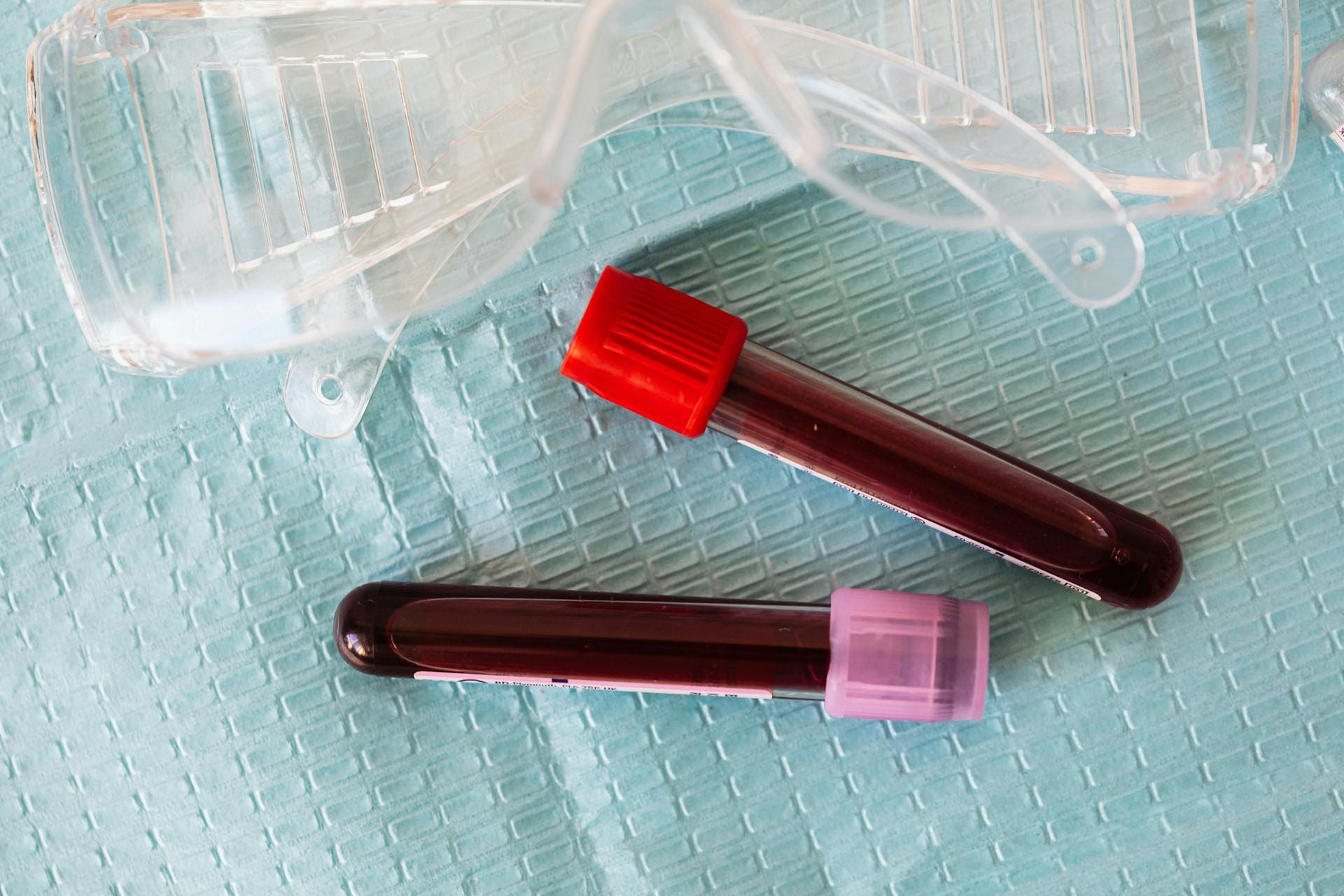
Proper preparation is essential for accurate results. Even small mistakes—like eating late at night or drinking sweetened beverages—can affect your blood sugar reading.
How Long to Fast Before Glucose Test
Most laboratories and doctors recommend fasting for 8 to 12 hours before a glucose test fasting. This means:
- No food
- No sugary drinks
- No alcohol
If your test is scheduled for the morning, you can eat dinner the night before and then fast overnight.
Can You Drink Water Before a Fasting Glucose Test?
Yes. Drinking plain water is allowed and encouraged. Staying hydrated can make blood collection easier and does not affect your fasting blood sugar levels. However, avoid:
- Tea or coffee (even without sugar)
- Fruit juice
- Soft drinks
- Energy drinks
Foods and Drinks to Avoid Before the Test
To get accurate results, avoid the following during your fasting period:
- Late-night snacks
- Sugary or starchy meals before fasting begins
- Alcohol, which can raise or lower blood sugar unpredictably
Medications and Supplements
Some medications can affect blood sugar readings. If you are on regular medication, especially for diabetes, blood pressure, or hormonal conditions, inform your doctor or laboratory staff before your blood sugar test in fasting conditions. Do not stop prescribed medication unless advised by a healthcare professional.
What to Expect During a Glucose Test Fasting
Many people worry about what the test involves, but a glucose test fasting is straightforward and quick.
Step-by-Step Process
- You arrive at the laboratory or hospital after fasting
- A healthcare professional cleans the skin, usually on your arm
- A small blood sample is drawn from a vein
- The sample is sent to the lab for analysis
The entire process typically takes less than 10 minutes.
Is the Fasting Glucose Test Painful?
The test involves a brief needle prick, which may cause mild discomfort. Most people find it tolerable, and the pain subsides almost immediately.
What Happens After the Test?
After your blood sample is taken, you can eat and drink normally unless your doctor instructs otherwise. Results are often available within a few hours or by the next day, depending on the laboratory.
What Do the Results of a Fasting Blood Sugar Test Mean?
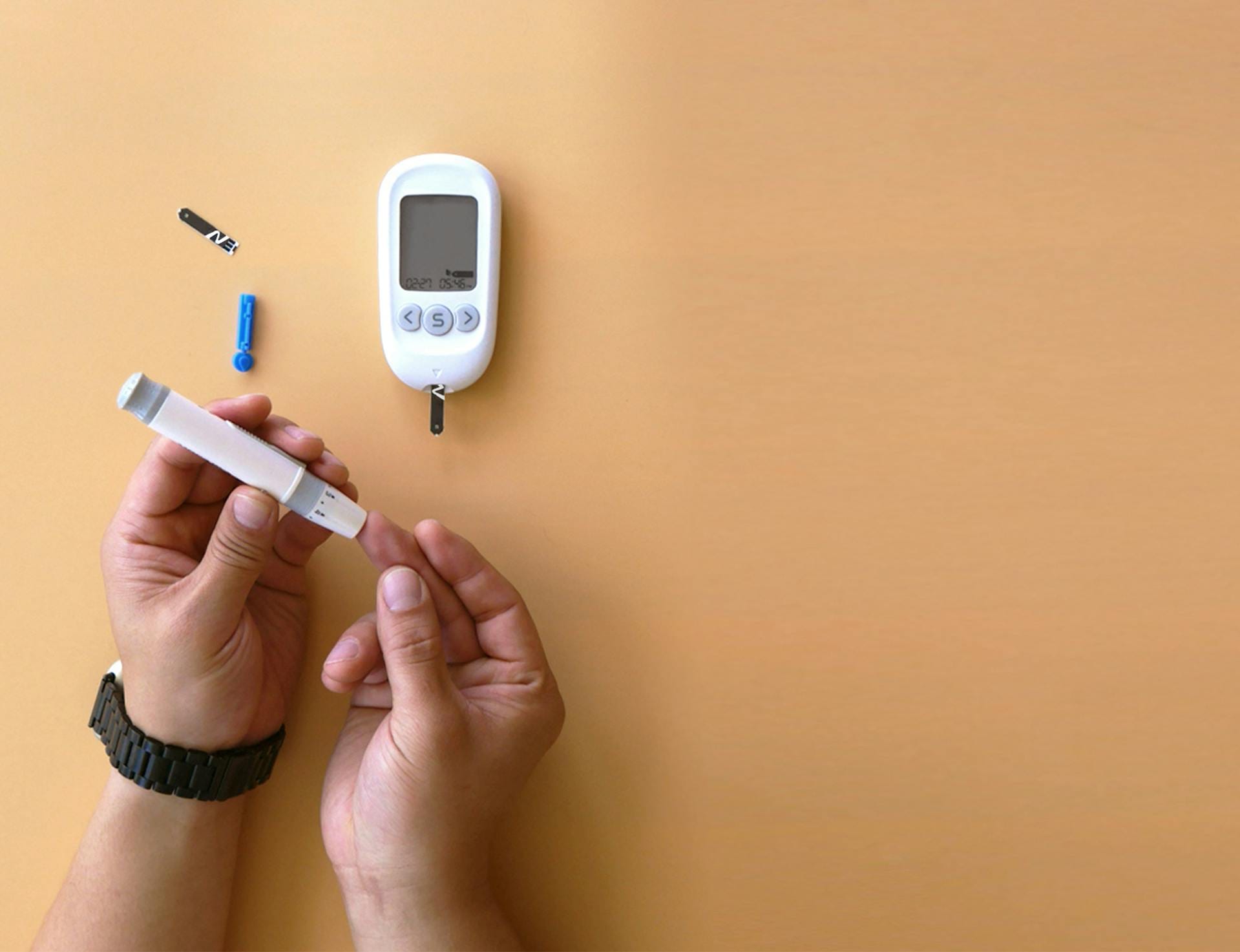
Understanding your results is just as important as taking the test itself.
Normal Fasting Blood Sugar Range
For most adults, normal fasting blood sugar levels are:
- 70–99 mg/dL (or 3.9–5.5 mmol/L)
A result within this range suggests that your body is effectively regulating glucose.
Prediabetes Fasting Glucose Levels
If your glucose test fasting result falls between:
- 100–125 mg/dL (or 5.6–6.9 mmol/L)
This may indicate prediabetes. At this stage, lifestyle changes such as improved diet, physical activity, and weight management can significantly reduce the risk of developing diabetes.
Diabetes Fasting Blood Sugar Levels
A fasting blood sugar result of:
- 126 mg/dL (7.0 mmol/L) or higher, confirmed on two separate tests, is typically used to diagnose diabetes.
Your doctor may request additional tests, such as HbA1c or an oral glucose tolerance test, to confirm the diagnosis.
Glucose Test Fasting vs Glucose Test Non Fasting
Many people are confused about the difference between a glucose test fasting and a glucose test non fasting. While both measure blood sugar, they serve different purposes.
Key Differences Between the Two Tests
A glucose test fasting:
- Requires 8–12 hours of fasting
- Provides a baseline blood sugar level
- Is commonly used for diagnosis
A glucose test non fasting (random blood sugar test):
- Can be done at any time
- Measures blood sugar regardless of recent meals
- Is useful for quick checks or monitoring symptoms
Which Test Is More Accurate?
For diagnosing diabetes or prediabetes, a blood sugar test in fasting conditions is generally more accurate and reliable. Non fasting tests are often used for initial screening or emergency assessments.
Who Should Do a Fasting Blood Sugar Test?
A glucose test fasting is recommended for many people, even if they feel healthy.
People at Higher Risk
You may need a fasting blood sugar test if you:
- Have a family history of diabetes
- Are overweight or obese
- Live a sedentary lifestyle
- Have high blood pressure or high cholesterol
- Are over 35 years old
In Nigeria, dietary patterns high in refined carbohydrates and sugary drinks can further increase risk.
Symptoms That May Require Testing
Common symptoms that may prompt a blood sugar test in fasting include:
- Frequent urination
- Excessive thirst
- Persistent fatigue
- Blurred vision
- Slow wound healing
Cost of Glucose Test Fasting in Nigeria
One advantage of a glucose test fasting is its affordability.
Average Cost in Nigeria
The cost of a fasting blood sugar test in Nigeria typically ranges from ₦1,500 to ₦5,000, depending on:
- Location
- Type of laboratory
- Public vs private healthcare facility
Some hospitals include the test as part of routine medical check-ups.
Insurance and Payment Options
Health insurance may cover the cost if the test is doctor-recommended. Many private diagnostic centres also offer affordable walk-in testing or discounted health packages.
Where to Get a Glucose Test Fasting in Nigeria
You can take a glucose test fasting at:
- Government hospitals
- Private hospitals
- Diagnostic laboratories
- Some pharmacies and mobile testing services
Many centres now offer online booking and home sample collection, making testing more convenient, especially for busy professionals.
Common Mistakes to Avoid Before a Fasting Glucose Test
To avoid inaccurate results, do not:
- Eat or drink anything other than water during fasting
- Shorten the fasting period
- Exercise intensely just before the test
- Forget to inform the lab about medications
These factors can alter your blood sugar reading and lead to misleading results.
Conclusion
A glucose test fasting is a simple but powerful tool for understanding your blood sugar health. By knowing how long to fast before a glucose test, what to expect during the procedure, and how to interpret your results, you can take control of your health and make informed decisions.
Whether you are comparing a glucose test fasting with a glucose test non fasting or scheduling a routine blood sugar test in fasting conditions, early testing and regular monitoring can make a significant difference. If your results fall outside the normal range, consult a healthcare professional promptly and explore trusted diagnostic centres to guide your next steps.
Taking action today could help prevent serious health complications tomorrow.
Frequently Asked Questions About Glucose Test Fasting
1. What is a glucose test fasting?
A glucose test fasting is a blood test that measures your blood sugar level after you have not eaten or consumed any calorie-containing drinks for several hours. It is commonly used to screen for, diagnose, or monitor diabetes and prediabetes.
2. How long to fast before glucose test?
You should fast for 8 to 12 hours before a glucose test fasting. During this time, you should avoid all food and drinks except plain water to ensure accurate results.
3. Can I drink water during a fasting blood sugar test?
Yes. Drinking water is allowed and recommended before a blood sugar test in fasting conditions. Water does not affect blood glucose levels and helps with easier blood collection.
4. What happens if I eat before a glucose test fasting?
Eating before a glucose test fasting can raise your blood sugar levels and lead to inaccurate results. If you accidentally eat, inform the laboratory so the test can be rescheduled.
5. What is the difference between glucose test fasting and glucose test non fasting?
A glucose test fasting is done after 8–12 hours of fasting and provides a baseline blood sugar reading, while a glucose test non fasting can be done at any time and reflects your blood sugar level after recent meals.
6. Which is more accurate: glucose test fasting or glucose test non fasting?
For diagnosing diabetes or prediabetes, a glucose test fasting is generally more accurate. A glucose test non fasting is mainly used for quick screening or monitoring symptoms.
7. What is a normal result for a fasting blood sugar test?
A normal result for a blood sugar test in fasting conditions is typically between 70 and 99 mg/dL (3.9–5.5 mmol/L), depending on laboratory reference ranges.
8. What fasting blood sugar level indicates prediabetes?
Prediabetes is usually indicated when a glucose test fasting result falls between 100 and 125 mg/dL (5.6–6.9 mmol/L). Lifestyle changes can help prevent progression to diabetes.
9. What fasting blood sugar level indicates diabetes?
A fasting blood sugar level of 126 mg/dL (7.0 mmol/L) or higher, confirmed on two separate glucose test fasting results, is typically used to diagnose diabetes.
10. Can stress affect a glucose test fasting result?
Yes. Stress, illness, or lack of sleep can temporarily increase blood sugar levels and affect the results of a glucose test fasting. Try to be well-rested before the test.
11. Can I take my medications before a fasting blood sugar test?
Some medications can affect a blood sugar test in fasting conditions. Inform your doctor or laboratory about any medications you take and follow their specific instructions.
12. Is a fasting blood sugar test painful?
A glucose test fasting involves a small needle prick to collect blood. The discomfort is minimal and usually lasts only a few seconds.
13. How often should I do a glucose test fasting?
How often you need a glucose test fasting depends on your health status. People at higher risk of diabetes may need yearly testing, while others may test less frequently based on medical advice.
14. Can pregnant women do a glucose test fasting?
Yes. Pregnant women may be required to do a blood sugar test in fasting conditions as part of gestational diabetes screening, although additional tests are often used.
15. Where can I do a glucose test fasting in Nigeria?
You can do a glucose test fasting at government hospitals, private hospitals, and diagnostic laboratories across Nigeria. Many centres also offer online booking and home sample collection services.