
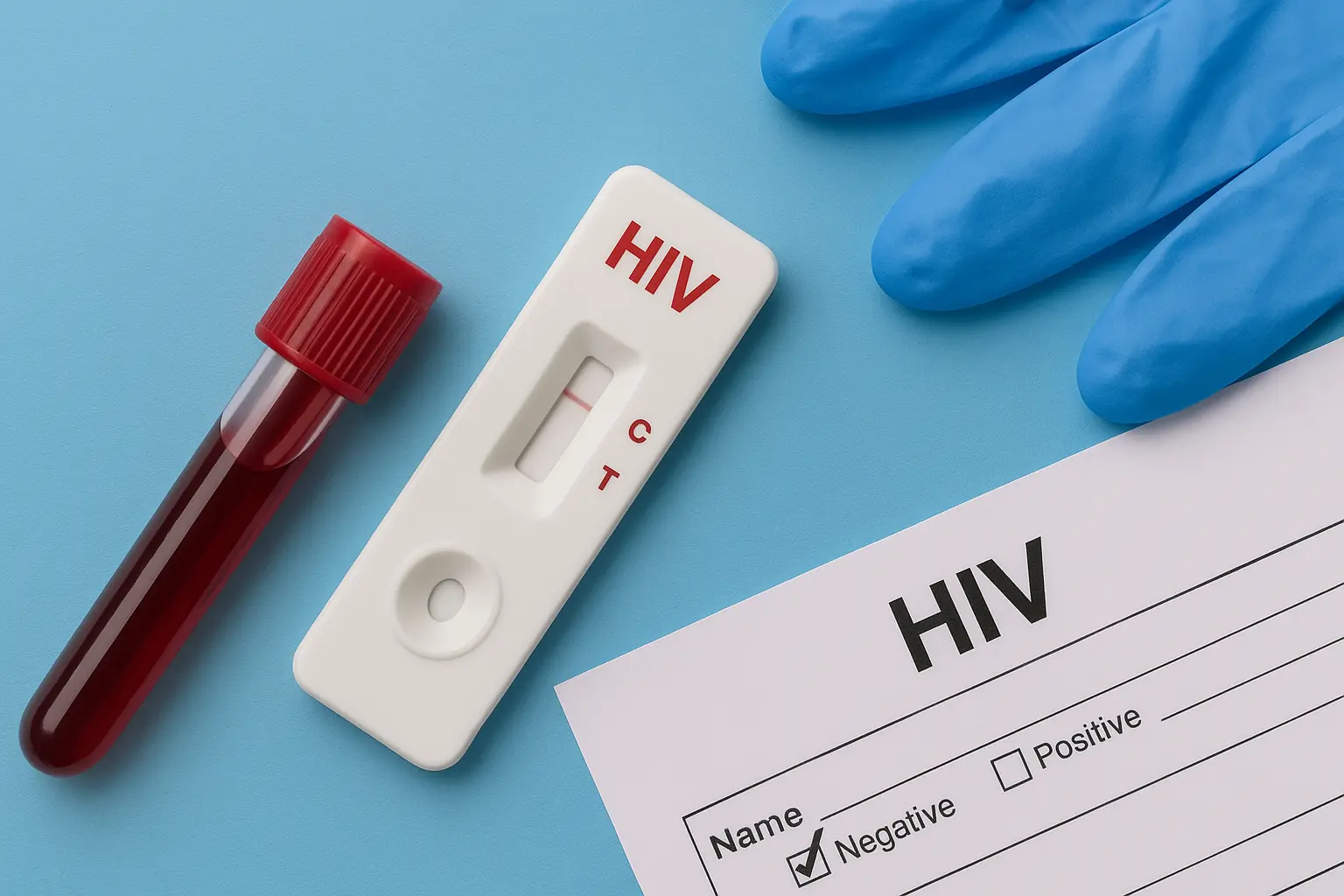
HIV testing, in recent times, has become more accessible than ever in Nigeria. Now, there are options ranging from public health facilities and private laboratories to self-testing kits that can be used at home. However, despite this progress, many Nigerians still do not know where to get tested, how much it costs, or which option works best for them.
For some, concerns around privacy and stigmatisation also make the process feel more complicated than it needs to be.
This article examines the cost of HIV testing in Nigeria, where you can get tested, the warning signs to watch for, and the different testing options available. It also shows how platforms like ours can help you access certified testing services conveniently and confidentially. But first things first:
What Are the 7 Warning Signs of HIV?
HIV symptoms can differ from person to person, and many people may not experience symptoms immediately. However, recognising possible warning signs can help prompt timely testing. The 7 warning signs you should check out include:
- Persistent fever
- Extreme fatigue
- Swollen lymph nodes
- Sore throat
- Skin rashes
- Night sweats
- Unexplained weight loss
Can You Have HIV Without Symptoms?
Many people living with HIV feel healthy for years, especially in the early stages. This is why testing, not symptoms, is the only reliable way to know your status.
If you have had unprotected sex, shared needles, or believe you may have been exposed, testing is recommended even if you feel fine.
Where Can You Get Tested for HIV?
If you are searching for HIV testing near me, Nigeria offers several reliable testing options. They include:
HIV Testing in Government Hospitals
Public hospitals and primary healthcare centres offer HIV testing services, often free. These centres also provide counselling and referrals for treatment if needed.
Private Laboratories and Diagnostic Centres
Private labs offer faster turnaround times and more flexible scheduling. Some of these centres provide instant HIV testing, with results available within minutes.
NGOs and Community-Based Testing Centres
Non-profit organisations frequently conduct free or low-cost HIV testing, especially during outreach programmes and health campaigns.
What Types of HIV Tests Are Available?
If you are searching for HIV testing near me, understanding the different types of HIV tests available can help you choose the option that best suits your needs. HIV testing methods vary in how samples are collected, how quickly results are available, and where the test can be done. Some tests provide instant results, while others require laboratory analysis for confirmation and long-term monitoring.
Whether you are visiting a clinic, booking a test online, or considering a broader STD testing near me option, knowing how these tests work can make the process more straightforward and less intimidating.
Rapid (Instant) HIV Tests
Rapid HIV tests, often referred to as instant HIV testing, are designed to deliver results quickly, usually within 15 to 30 minutes. These tests are commonly used in hospitals, diagnostic centres, and community testing programmes.
They typically involve a finger-prick blood sample or oral fluid swab and are ideal for individuals who want quick answers without waiting days for results. For many people searching for instant HIV testing near me, rapid tests offer both speed and convenience.
However, while rapid tests are highly reliable, a positive result is usually followed by a confirmatory laboratory-based test to ensure accuracy.
Laboratory-Based HIV Tests
Laboratory-based HIV tests are conducted using blood samples analysed in a certified laboratory. These tests are known for their high accuracy and are often used for confirmatory testing or routine medical screenings.
Unlike rapid tests, laboratory tests may take 24 to 72 hours for results, depending on the facility. They are commonly recommended for individuals who:
- Need confirmatory testing after a rapid or self-test
- Are undergoing comprehensive health or STD testing near me
- Want detailed, medically supervised results
Through LabTracka, you can easily find HIV testing near you by connecting with vetted partner laboratories, booking your test online, and choosing between in-lab visits or home sample collection.
Oral Swab HIV Tests
Oral swab HIV tests use saliva rather than blood to detect HIV antibodies. These tests are commonly used in HIV self-testing kits and are popular among individuals who prioritise privacy and convenience.
Oral swab tests are simple to use, non-invasive, and can be done at home. While they are highly effective when used correctly, they may not detect very recent infections due to the HIV window period. As with other testing methods, a positive result should be confirmed at a laboratory.
For individuals who want discretion but still value professional follow-up, LabTracka provides a pathway from self-testing to certified laboratory testing—ensuring accurate results and proper medical guidance when needed.
How Much Does an HIV Test Cost in Nigeria?
One of the most common questions people ask is how much HIV testing costs. The answer depends on where you choose to get tested and the type of test used.
Cost of HIV Testing at Public Hospitals
In many government hospitals and public health facilities across Nigeria, HIV testing is often free or heavily subsidised. These services are typically supported by government programmes and international health organisations. However, availability may vary, and waiting times can sometimes be long.
Cost of HIV Testing at Private Clinics and Labs
Private hospitals and diagnostic laboratories usually charge a fee for HIV testing. On average, the cost ranges between ₦10,000 and ₦15,000 depending on:
- The type of test (rapid or laboratory-based)
- Location
- Whether counselling services are included
Factors That Affect the Cost of an HIV Test
- Test type: Rapid tests are usually cheaper than lab-based tests.
- Turnaround time: Same-day or instant HIV testing may cost more.
- Additional screenings: Combined STD panels increase the total price.
With LabTracka, you can compare testing options, understand pricing upfront, and get connected to vetted, certified laboratories near you, eliminating guesswork and unnecessary delays.
Is HIV Self-Testing an Option?
HIV self-testing is a reliable and increasingly popular option for people who want privacy, convenience, and control over when and where they get tested. In Nigeria, HIV self-testing kits are now widely available and approved for use, making it easier for individuals to know their HIV status without visiting a health facility first.
HIV self-testing involves collecting your own sample, usually through an oral swab or a finger-prick blood test, and interpreting the result yourself at home. This option is especially useful for people who feel anxious about visiting a clinic, are concerned about confidentiality, or are simply looking for an alternative while searching for HIV testing near me.
While self-testing offers convenience, it is important to understand both its benefits and limitations.
How Accurate Is HIV Self-Testing?
Approved HIV self-testing kits are highly accurate when used correctly, particularly for infections that are not recent. However, like other HIV tests, self-tests are affected by the HIV window period, the time between exposure and when the virus can be detected.
Because of this, a positive self-test result must always be confirmed at a certified laboratory. Similarly, if your result is negative but you believe you may have been exposed recently, follow-up testing is recommended.
What Happens If Your HIV Test Is Positive?
Receiving a positive HIV test result can be overwhelming, but it is important to know that a positive result is not the end; it is the beginning of care. With early diagnosis and proper treatment, people living with HIV can lead long, healthy, and fulfilling lives.
Understanding the next steps can help reduce fear and ensure you get the right support promptly.
Confirmatory Testing Comes First
An initial positive HIV result must be confirmed with a follow-up laboratory test. Confirmatory testing ensures the result is accurate before any medical decisions are made.
If you tested positive while searching for HIV testing near me, platforms like LabTracka can quickly connect you to certified laboratories for confirmatory testing, including options for in-lab visits or home sample collection.
Accessing HIV Treatment and Care in Nigeria
Once HIV is confirmed, you will be referred to appropriate care services. In Nigeria, antiretroviral therapy (ART) is widely available and allows people living with HIV to suppress the virus and protect their immune system.
Treatment typically includes:
- A personalised ART regimen
- Regular medical follow-ups
- Routine laboratory tests to monitor viral load and overall health.
Early treatment not only improves quality of life but also reduces the risk of transmitting HIV to others.
Counselling and Emotional Support
A positive HIV result often comes with emotional and psychological challenges. Professional counselling is an essential part of HIV care, helping individuals:
- Understand their diagnosis
- Cope with fear or anxiety
- Make informed decisions about disclosure and lifestyle changes
Many testing centres and partner laboratories provide pre- and post-test counselling, ensuring you are not navigating the process alone.
Conclusion
Knowing your HIV status is one of the most important steps you can take towards protecting your health and the health of others. Understanding where to go, what to expect, and which option suits your needs makes the process far less intimidating.
LabTracka removes many of the barriers associated with HIV testing by connecting you to certified laboratories, home sample collection, and confidential results. By simplifying access to trusted testing services, LabTracka empowers you to take control of your health—conveniently, privately, and with confidence.
FAQs About HIV Testing
What is the easiest way to find HIV testing near me?
You can use platforms like LabTracka to locate certified laboratories, clinics, and testing centres near your location, ensuring fast and confidential access to HIV testing.
How much is an HIV self testing kit in Nigeria?
HIV self-testing kits typically range from ₦3,000 to ₦8,000, depending on the brand and supplier. LabTracka can help you order kits from verified providers for safe self-testing.
Can I get instant HIV testing near me?
Yes. Many private clinics and diagnostic centres offer instant HIV testing near me, providing results within 15–30 minutes. LabTracka lists facilities that provide rapid and reliable testing.
Is HIV self-testing as accurate as laboratory testing?
Approved HIV self-testing kits are highly accurate when used correctly. Positive results should always be confirmed at a certified laboratory for full accuracy.
Do I need to visit a clinic for HIV testing, or can I test at home?
Both options are available. You can either visit a lab or use a self-testing kit at home. LabTracka makes it easy to choose the most convenient option and book services online.
What is the difference between HIV testing near me and STD testing near me?
HIV testing specifically detects the HIV virus, while STD testing near me checks for other infections like chlamydia, gonorrhoea, and syphilis. Some labs offer combined packages.
How long does it take to get HIV test results?
Rapid or instant HIV testing near me typically delivers results in minutes, while laboratory-based tests may take 24–72 hours depending on the facility.
How often should I get tested for HIV?
Sexually active individuals are advised to test at least once a year, or more frequently if they have multiple partners, recent exposure, or are at higher risk.
What should I do if my HIV self-testing kit shows a positive result?
Do not panic. A positive result should be confirmed at a certified laboratory. LabTracka can connect you to nearby labs for confirmatory testing and counselling.
Are HIV tests painful?
Most tests involve minimal discomfort. Rapid and oral swab tests are non-invasive, while finger-prick blood tests may cause a brief sting.
Is HIV testing confidential on LabTracka?
Absolutely. LabTracka partners with certified labs that follow strict confidentiality policies, ensuring your results are private and secure.