
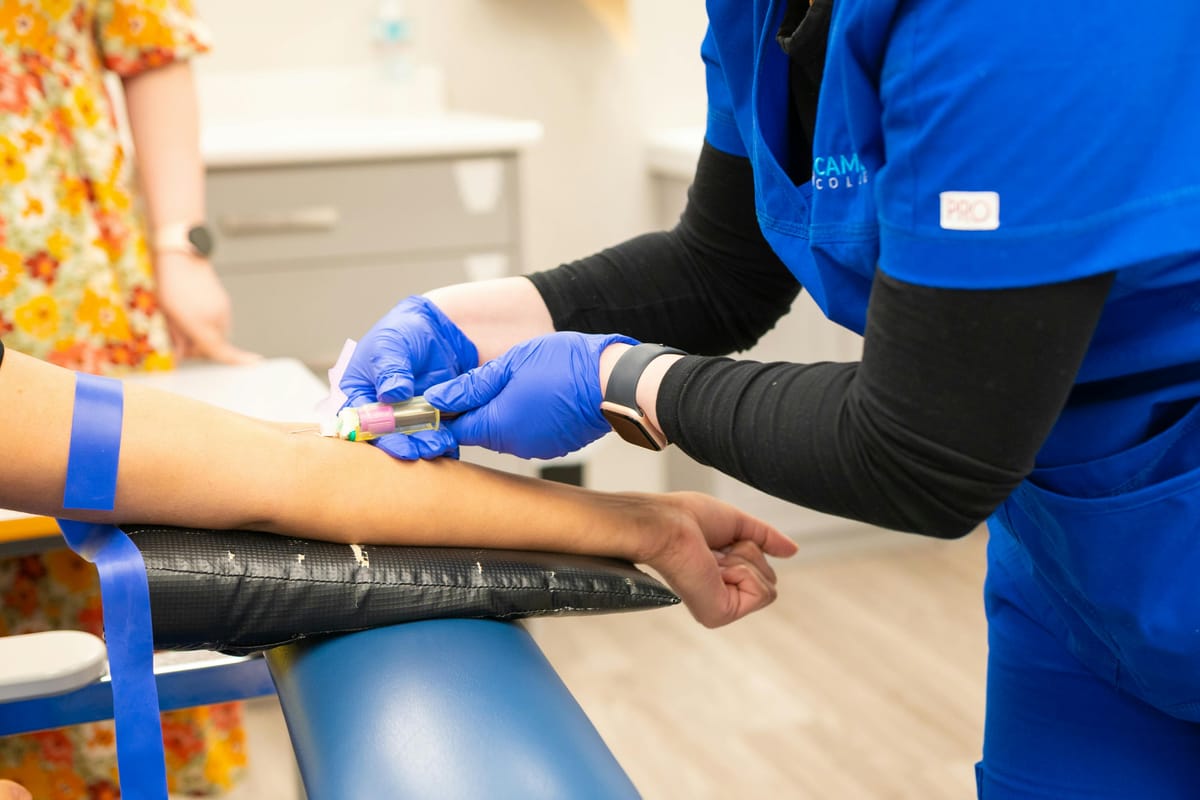
If you’re hearing the word ‘phlebotomy’ for the first time, it is almost difficult to associate it with anything. However, it is one of the critical aspects of medical laboratory practice. What’s more? One of its principles you need to know is the order of draw.
Understanding the order of draw in phlebotomy ensures accurate laboratory results and proper diagnosis. For anyone learning phlebotomy in Nigeria, mastering this concept is essential. This article explores what the order of draw is, the correct sequence of blood collection tubes, and how to remember it easily.
What Is the Order of Draw Phlebotomy?
The order of draw phlebotomy is the specific sequence in which blood collection tubes must be filled after the sterile needle has been inserted into the vein. Each tube contains different additives, and drawing them in the wrong order can cause these additives to mix up, leading to inaccurate results. Specialists who draw blood samples are called phlebotomists.
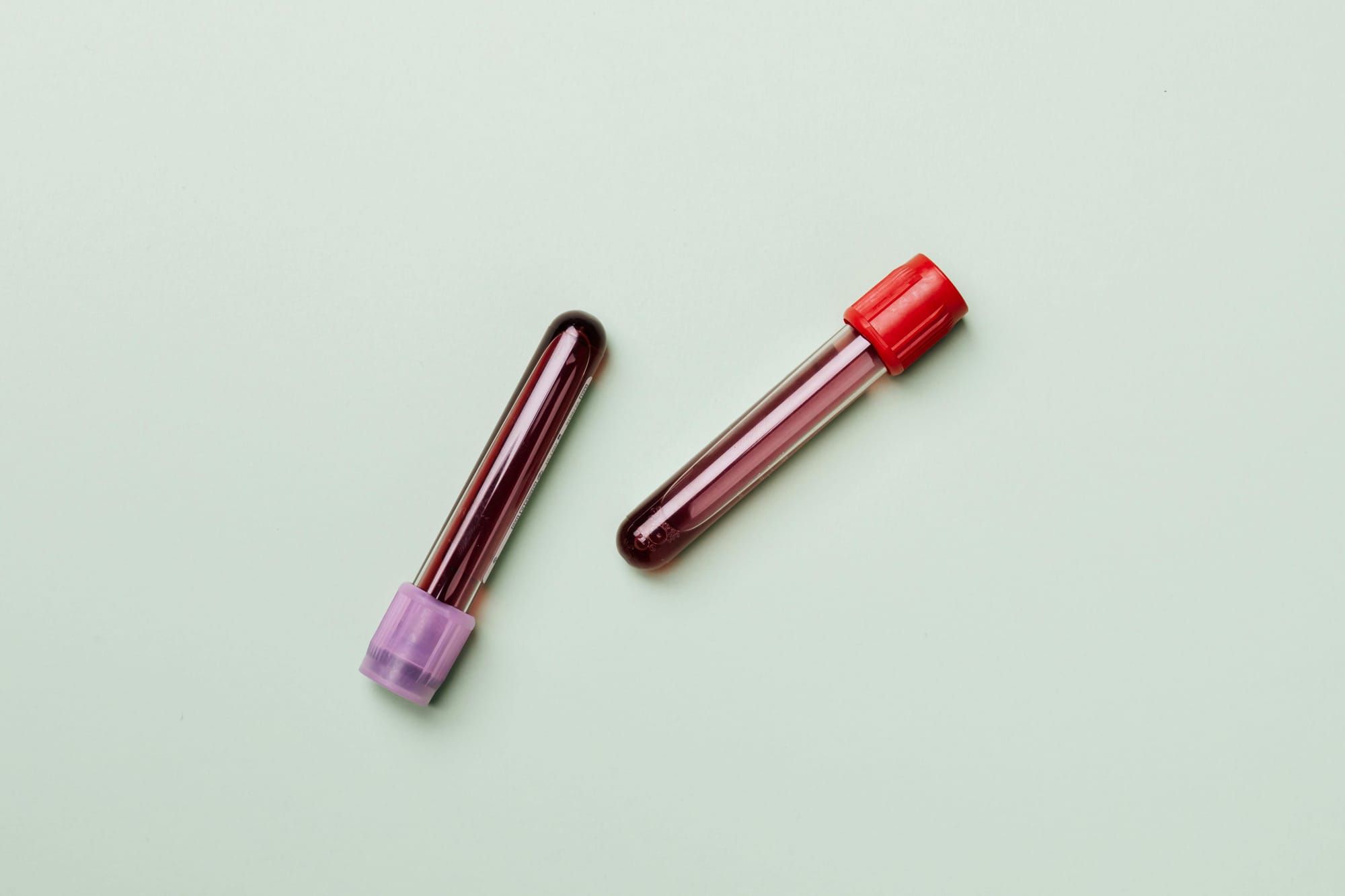
Simply put, the order of draw is a standardised system used around the world in preventing contamination between blood samples. It ensures that chemicals from one tube do not interfere with the tests meant for another.
Who Needs to Understand the Order of Draw?
If you belong to any of the following categories, you should take this seriously.
- Phlebotomy students and trainees
- Medical laboratory scientists
- Nurses and healthcare assistants
- Anyone preparing for laboratory science exams in Nigeria
Why Is There an Order of Draw in Phlebotomy?
Many learners ask, why is there an order of draw in phlebotomy? The answer lies in accuracy, safety, and reliability.
Preventing Cross-Contamination Between Tubes
Blood collection tubes contain additives such as EDTA, heparin, or sodium citrate. If blood is drawn in the wrong sequence, traces of these additives may carry over into the next tube, affecting test results.
Ensuring Accurate Laboratory Test Results
The incorrect order of draw can cause:
- False potassium levels
- Incorrect clotting times
- Misleading chemistry or haematology results
These errors can lead to wrong diagnoses or unnecessary treatments. In Nigerian hospitals and diagnostic laboratories, accurate test results are vital for managing diseases such as malaria, diabetes, infections, and blood disorders. Following the correct order of draw phlebotomy supports quality healthcare delivery.
What Is the Correct Order of Draw in Phlebotomy?
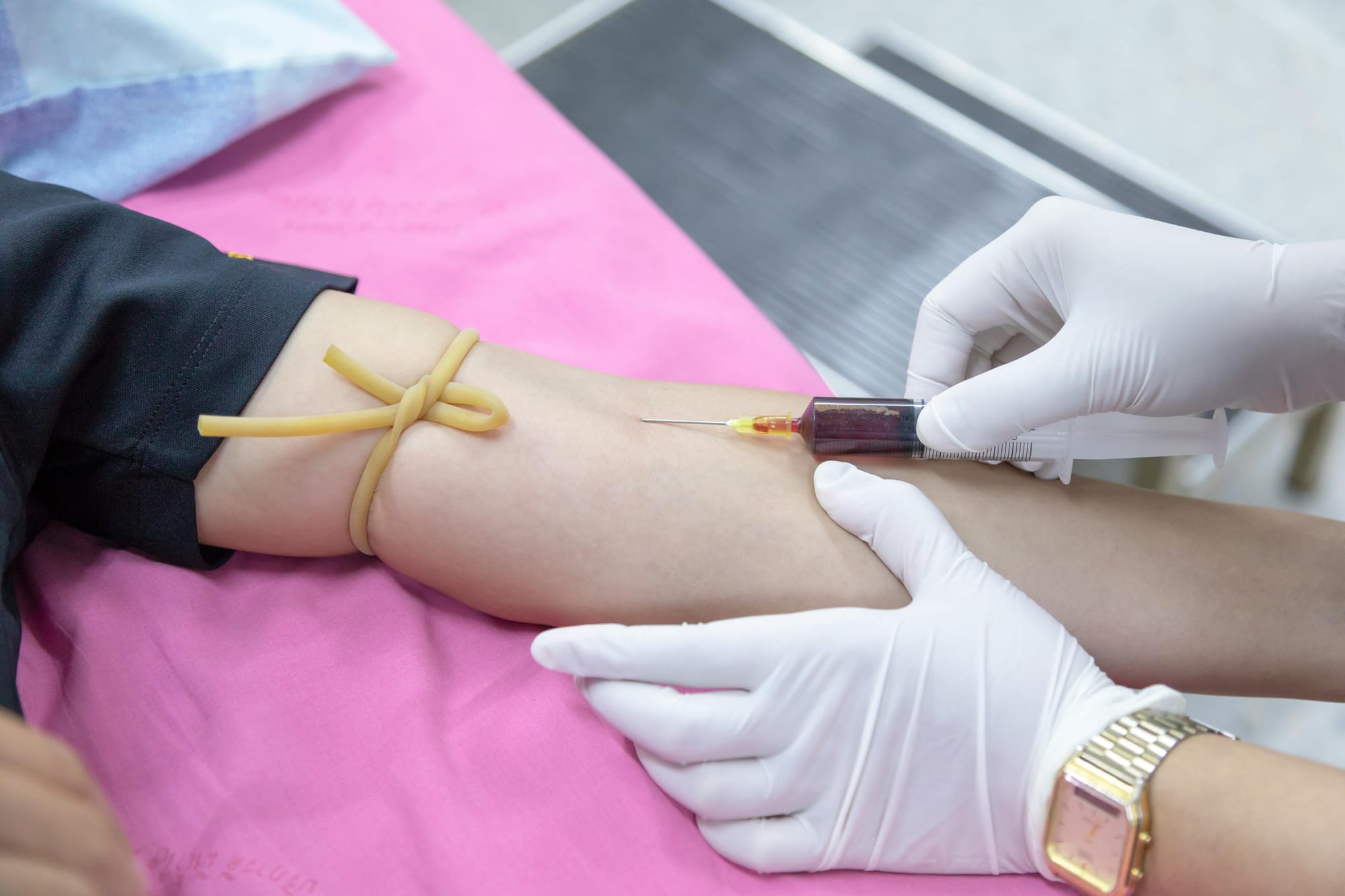
The correct order of draw follows internationally accepted guidelines, commonly taught in medical laboratory science programmes.
Standard Order of Blood Draw Tubes
The generally accepted order is:
- Blood culture bottles
- Sodium citrate tube (light blue)
- Serum tube (red or gold)
- Heparin tube (green)
- EDTA tube (purple or pink)
- Fluoride oxalate tube (grey)
This common order of draw phlebotomy is designed so that tubes most sensitive to contamination are collected first, while those with strong additives are collected later.
Order of Blood Draw Tubes and Additives
Understanding tube colours and their additives makes the order of draw easier to remember.
Tube Colours and Their Additives
- Blood culture bottles. Special media for detecting bacteria
- Light blue. Sodium citrate (coagulation studies)
- Red or gold. No additive or clot activator (serum tests)
- Green. Heparin (plasma chemistry tests)
- Purple or pink. EDTA (haematology and blood grouping)
- Grey. Sodium fluoride/potassium oxalate (glucose testing)
Each tube supports specific laboratory investigations, from clotting profiles to blood sugar testing. Mixing additives can compromise these results.
How to Easily Remember the Order of Draw
Remembering the order can be challenging at first, but simple techniques help. One common mnemonic is:
“Be Careful, Sir, He Enjoys Green Grapes”
- Be: Blood cultures
- Careful: Citrate
- Sir: Serum
- He: Heparin
- Enjoys: EDTA
- Green Grapes: Grey tube
What Are the 7 Basic Steps to a Blood Draw?
Beyond knowing the order of draw, safe blood collection follows a clear process:
- Identify and confirm the patient
- Explain the procedure and obtain consent
- Wash your hands and wear gloves
- Select the vein and clean the site
- Perform venipuncture and collect blood in the correct order
- Remove the needle and apply pressure
- Label samples and dispose of sharps safely
Conclusion
Understanding the order of draw phlebotomy is fundamental to safe and accurate blood collection. Knowing what the order of draw in phlebotomy is, why it exists, and the common tube sequence helps reduce laboratory errors and improve patient outcomes.
For Nigerians learning phlebotomy, mastering this topic is a key step towards professional competence in medical laboratory practice. If you’re looking to get your blood samples tested, reach out to us at LabTracka. We have a team of seasoned phlebotomists who will collect your blood samples in a safe and secure manner. Reach out to us today.
Frequently Asked Questions
1. What is the order of draw in phlebotomy?
The order of draw in phlebotomy is the standard sequence used when collecting blood samples to prevent additives in one tube from contaminating another and affecting test results.
2. Why is there an order of draw in phlebotomy?
There is an order of draw in phlebotomy to ensure accurate laboratory results, reduce testing errors, and protect patient safety by preventing cross-contamination between blood collection tubes.
3. What happens if the order of draw is not followed?
If the order of draw is not followed, additives may mix incorrectly, leading to false results such as abnormal electrolyte levels or incorrect clotting times.
4. What is the correct order of draw phlebotomy sequence?
The correct order of draw phlebotomy sequence is: Blood cultures, light blue (citrate), red or gold (serum), green (heparin), purple or pink (EDTA), and grey (fluoride oxalate).
5. What is the most common order of draw phlebotomy used in laboratories?
The most common order of draw phlebotomy follows international guidelines used in hospitals and diagnostic laboratories worldwide, including those in Nigeria.
6. Do all blood tests require the same order of draw?
No, the order of draw is only required when collecting multiple tubes during a single blood draw. A single-tube collection does not require sequencing.
7. Why are blood culture bottles drawn first?
Blood culture bottles are drawn first to prevent contamination from additives or skin flora, which could interfere with the detection of bacteria in the blood.
8. Why is the EDTA tube collected near the end?
EDTA tubes are collected later because EDTA strongly binds calcium and potassium, which could significantly affect results if carried into other tubes.
9. What tube is used for glucose testing?
The grey tube is used for glucose testing because it contains fluoride oxalate, which prevents the breakdown of glucose in the blood sample.
10. Is the order of draw the same for syringe and vacuum collection systems?
Yes, the order of draw remains the same regardless of whether a syringe or vacuum tube system is used.
11. How can students easily remember the order of draw in phlebotomy?
Students can remember the order of draw in phlebotomy by using mnemonics, colour charts, repeated practice, and visual learning aids.
12. Is the order of draw taught in Nigerian medical laboratory schools?
Yes, the order of draw is a core topic taught in Nigerian schools of medical laboratory science, nursing, and related healthcare programmes.
13. Does the order of draw apply to capillary blood collection?
The order of draw for capillary collections is slightly different from venous draws and follows specific guidelines for capillary sampling.
14. Can the incorrect order of draw affect patient diagnosis?
Yes, the incorrect order of draw can lead to inaccurate test results, which may cause misdiagnosis or inappropriate treatment.
15. Is the order of draw the same worldwide?
Yes, the order of draw is globally standardised, though tube colours may vary slightly by manufacturer, making it important to understand the additives rather than colours alone.