
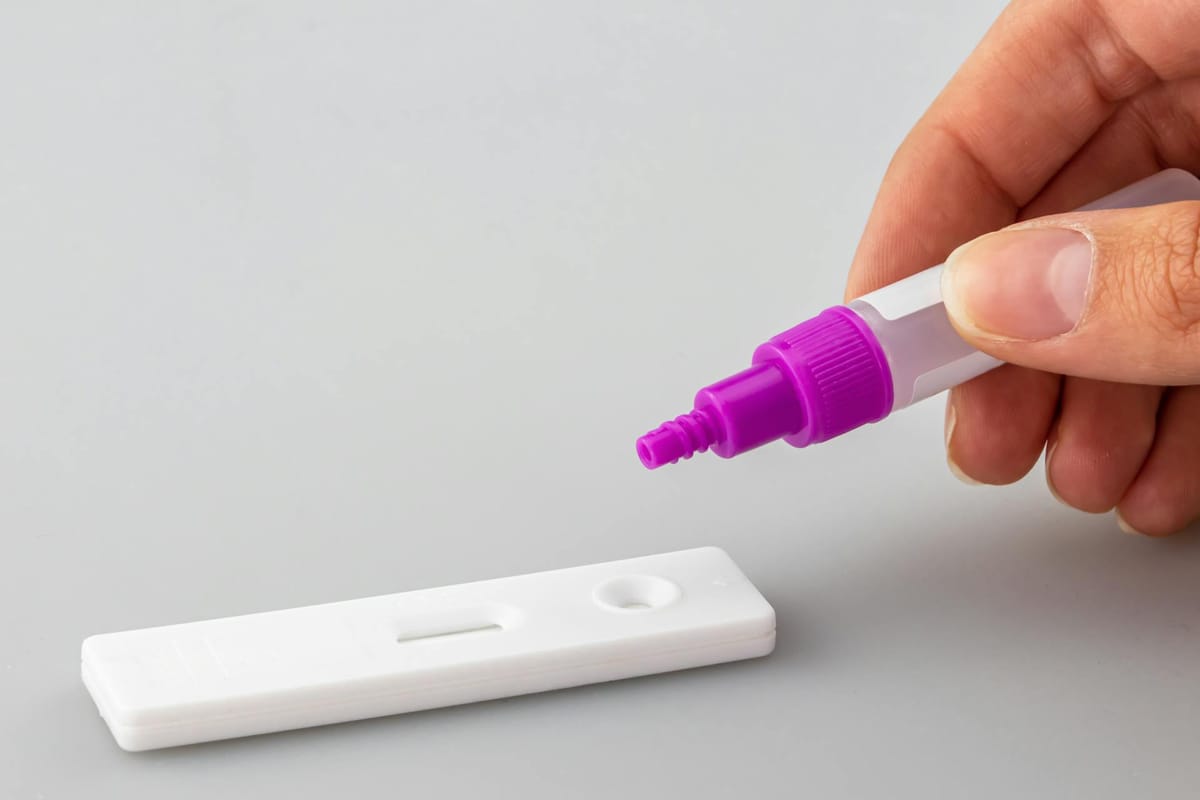
A urine test hemoglobin result can be confusing and even alarming, especially when it shows “positive” findings. Many Nigerians encounter this test result during routine medical check-ups, pre-employment screenings, antenatal care, or investigations for symptoms like dark urine or body weakness. Yet, few people fully understand what hemoglobin in urine means, why it happens, or what steps to take next.
This guide explains everything you need to know about a urine test hemoglobin, including what is normal, what can cause abnormal results, how the test is done, how to interpret UA HGB test results, and when to seek medical attention.
What Is Hemoglobin and Why Is It Tested in Urine?
Hemoglobin is a protein found inside red blood cells. Its main job is to carry oxygen from the lungs to the rest of the body and transport carbon dioxide back to the lungs for removal. Under normal conditions, hemoglobin stays within red blood cells and should not appear freely in urine.
A hemoglobin test in urine is usually part of a standard urinalysis. Doctors order it to check for signs of red blood cell breakdown, kidney problems, infections, or underlying blood disorders. The test helps clinicians identify issues early, sometimes even before symptoms become severe.
Is It Normal to Have Hemoglobin in Urine?
In healthy individuals, it is not normal to have hemoglobin in urine. A normal urine sample should show negative hemoglobin results.
However, very small traces may occasionally appear due to temporary or non-serious reasons such as:
- Strenuous exercise
- Mild dehydration
- Menstrual contamination in women
- Recent illness or fever
That said, persistent or clearly positive findings on a urine test hemoglobin often require further investigation to determine the underlying cause.
Understanding Urine Test Hemoglobin Results
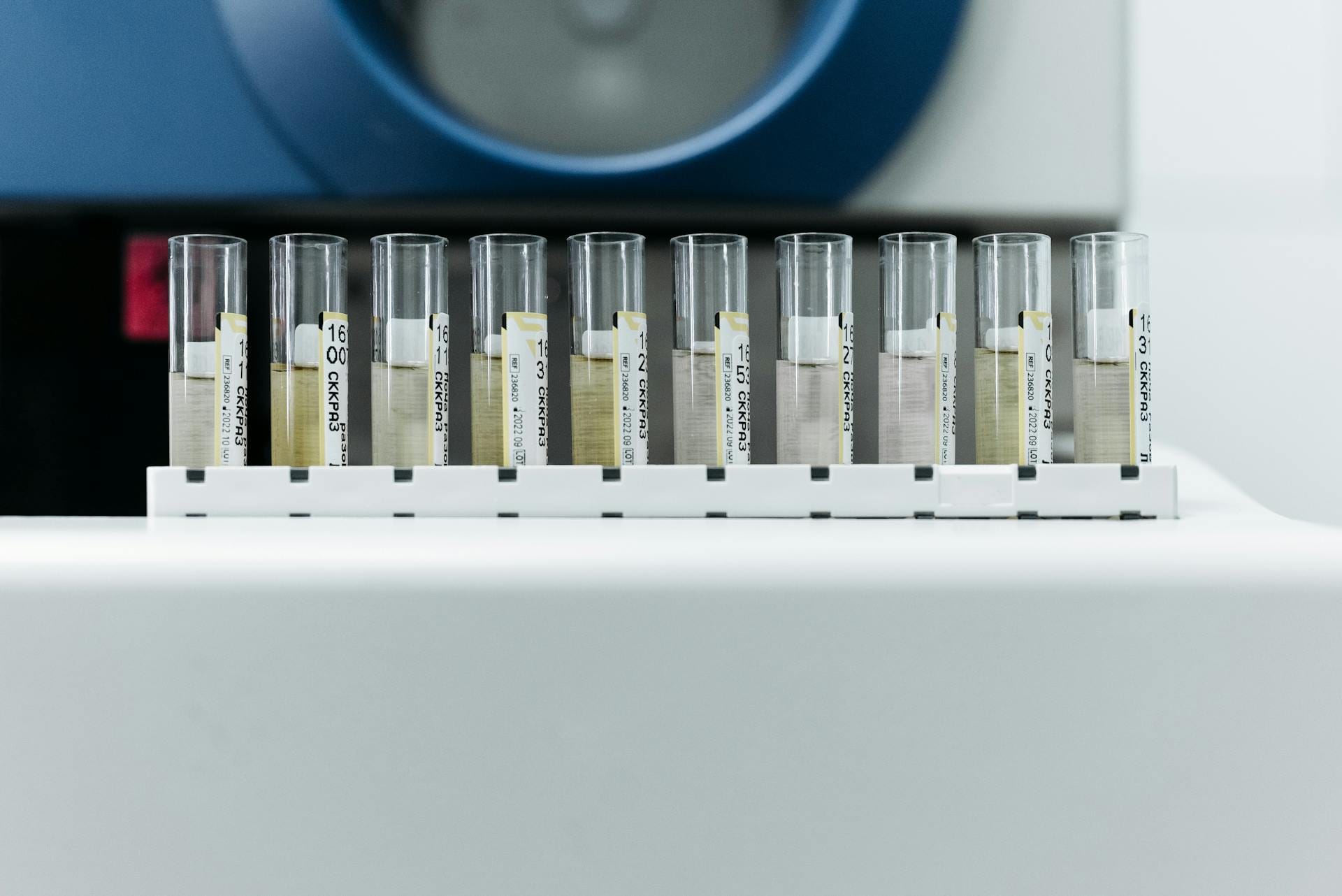
When reviewing UA HGB test results, laboratories typically report hemoglobin as either negative, trace, or positive (1+, 2+, or 3+). These results indicate how much hemoglobin was detected during testing.
Normal vs Abnormal Hemoglobin Levels Urine Test
- Negative: Normal result
- Trace: May be temporary or insignificant
- Positive (1+ or higher): Abnormal and may indicate a medical condition
A positive hemoglobin levels urine test does not automatically mean a serious illness, but it does mean further evaluation may be necessary.
Hemoglobin in Urine vs Blood in Urine (Hematuria)
Many people confuse hemoglobin in urine with visible blood in urine, also known as hematuria. While they are related, they are not the same.
- Hematuria: Whole red blood cells are present in urine and can sometimes be seen under a microscope.
- Hemoglobinuria: Free hemoglobin is present without intact red blood cells, often due to red blood cell destruction in the bloodstream.
Understanding this distinction is important because the causes and treatments may differ.
What Can Cause Hemoglobin in Urine?
Several conditions can lead to hemoglobin appearing in urine. Some are mild and temporary, while others require urgent medical care.
Urinary Tract Infections (UTIs)
UTIs are common in Nigeria and can irritate the urinary tract, allowing hemoglobin or blood to leak into urine. Symptoms often include burning during urination, frequent urination, and lower abdominal pain.
Kidney Disease or Kidney Injury
Kidney infections, kidney stones, or chronic kidney disease can damage the kidney’s filtering units, allowing hemoglobin to pass into urine.
Sickle Cell Disease and Hemolytic Anaemia
In conditions where red blood cells break down faster than normal, free hemoglobin can spill into the bloodstream and eventually appear in urine. This is especially relevant in Nigeria, where sickle cell disease is relatively common.
Malaria and Severe Infections
Severe malaria can cause massive red blood cell destruction, leading to hemoglobinuria. Dark or cola-coloured urine in malaria patients should never be ignored.
Physical Trauma or Vigorous Exercise
Intense physical activity, accidents, or muscle injury can temporarily cause hemoglobin to appear in urine.
Symptoms That May Accompany Hemoglobin in Urine
Some people with abnormal urine test hemoglobin results may have no symptoms at all, especially in early stages. Others may experience:
- Dark brown, red, or cola-coloured urine
- Fatigue or weakness
- Fever or chills
- Body pain or muscle aches
- Reduced urine output
- Swelling in the legs or face
Any of these symptoms combined with positive UA HGB test results should prompt medical review.
How Is Hemoglobin Detected in Urine?
Hemoglobin is usually detected through a routine urinalysis.
Dipstick Urine Test
This is the most common method. A chemically treated strip is dipped into the urine sample and changes colour if hemoglobin is present. It is quick and widely available across Nigerian laboratories.
Laboratory Urinalysis
If dipstick results are positive, the lab may examine the urine under a microscope to check for red blood cells, protein, or infection markers.
Additional Confirmatory Tests
Doctors may request blood tests, kidney function tests, or imaging studies to identify the exact cause of abnormal findings.
What Will Happen If There’s Hemoglobin in Your Urine?
A positive hemoglobin test in urine does not automatically lead to treatment. The next steps depend on the suspected cause.
Your doctor may:
- Repeat the urine test
- Request blood tests to assess red blood cell levels
- Screen for infections
- Evaluate kidney function
- Refer you to a specialist if needed
Early investigation helps prevent complications and ensures appropriate treatment.
When Should You See a Doctor?
You should seek medical attention if:
- Your urine test hemoglobin result is repeatedly positive
- You notice dark or bloody urine
- You experience fever, weakness, or unexplained pain
- You have a known blood disorder or kidney condition
- You recently had malaria or a severe infection
Ignoring abnormal hemoglobin levels urine test results can delay diagnosis and worsen outcomes.
Can Hemoglobin in Urine Be Treated?
Treatment depends entirely on the underlying cause.
- Infections may require antibiotics or antimalarial drugs
- Blood disorders may need specialist care and long-term management
- Kidney conditions require close monitoring, lifestyle changes, and sometimes medication
Once the root problem is addressed, hemoglobin usually disappears from urine.
How Urine Tests Are Done in Nigeria
In Nigeria, urine testing is widely available in:
- Government hospitals
- Private clinics
- Diagnostic centres
The test is affordable, quick, and non-invasive, making it one of the easiest ways to assess urinary and kidney health.
Why Early Testing Matters
Early detection through a urine test hemoglobin check can help uncover hidden health problems before they become severe. Many serious conditions begin silently, and urine testing often provides the first warning sign.
Routine testing is especially important for:
- Pregnant women
- People with sickle cell disease
- Individuals with recurrent infections
- Those with a family history of kidney disease
Conclusion
A urine test hemoglobin result is an important diagnostic clue, not a diagnosis on its own. While abnormal findings can feel worrying, they often lead to early detection and effective treatment when addressed promptly. Understanding UA HGB test results, recognising symptoms, and following up with proper medical testing can protect your long-term health.
If you need a reliable, convenient way to check your hemoglobin levels urine test, platforms like LabTracka make it easier to book urine tests and access trusted diagnostic services without unnecessary delays. Early testing could make all the difference.
Frequently Asked Questions About Urine Test Hemoglobin
1. What does a urine test hemoglobin check for?
A urine test hemoglobin checks whether hemoglobin, a protein found in red blood cells, is present in urine. Its presence may indicate red blood cell breakdown, infection, kidney problems, or blood disorders.
2. Is hemoglobin supposed to be in urine?
No. In healthy individuals, hemoglobin should not be present in urine. Normal UA HGB test results are usually reported as negative.
3. What does a positive urine test hemoglobin result mean?
A positive result means hemoglobin was detected in your urine. It does not confirm a diagnosis but signals the need for further medical evaluation.
4. Can dehydration cause hemoglobin in urine?
Mild dehydration may sometimes cause trace findings, but it rarely causes consistently positive hemoglobin levels urine test results. Persistent positivity should be investigated.
5. What causes hemoglobin to appear in urine?
Common causes include urinary tract infections, kidney disease, malaria, sickle cell disease, severe infections, physical trauma, and intense exercise.
6. What is the difference between hemoglobin in urine and blood in urine?
Blood in urine (hematuria) involves intact red blood cells, while hemoglobin in urine (hemoglobinuria) involves free hemoglobin due to red blood cell breakdown.
7. Can malaria cause a positive hemoglobin test in urine?
Yes. Severe malaria can destroy red blood cells, leading to free hemoglobin appearing in urine, often causing dark or cola-coloured urine.
8. How are UA HGB test results reported?
UA HGB test results are usually reported as negative, trace, or positive (1+, 2+, or 3+), depending on the amount detected.
9. What are normal hemoglobin levels in a urine test?
Normal hemoglobin levels urine test results should be negative. Any detectable hemoglobin is considered abnormal.
10. Can a urine test hemoglobin result be wrong?
False positives can occur due to contamination, menstruation, or improper sample collection. Doctors often repeat the test to confirm results.
11. Do I need further tests if hemoglobin is found in my urine?
Yes. Your doctor may request blood tests, kidney function tests, urine microscopy, or imaging to identify the underlying cause.
12. Is hemoglobin in urine dangerous?
It can be harmless in some cases, but persistent hemoglobin in urine may signal serious conditions like kidney disease or blood disorders and should not be ignored.
13. How is a hemoglobin test in urine done in Nigeria?
A hemoglobin test in urine is done using a dipstick during urinalysis. It is widely available in hospitals and diagnostic centres across Nigeria.
14. Can hemoglobin in urine be treated?
Yes. Treatment focuses on addressing the underlying cause, such as treating infections, managing blood disorders, or supporting kidney health.
15. When should I repeat a urine test hemoglobin check?
You may need a repeat test if your initial result is positive, symptoms persist, or your doctor wants to monitor recovery or disease progression.