
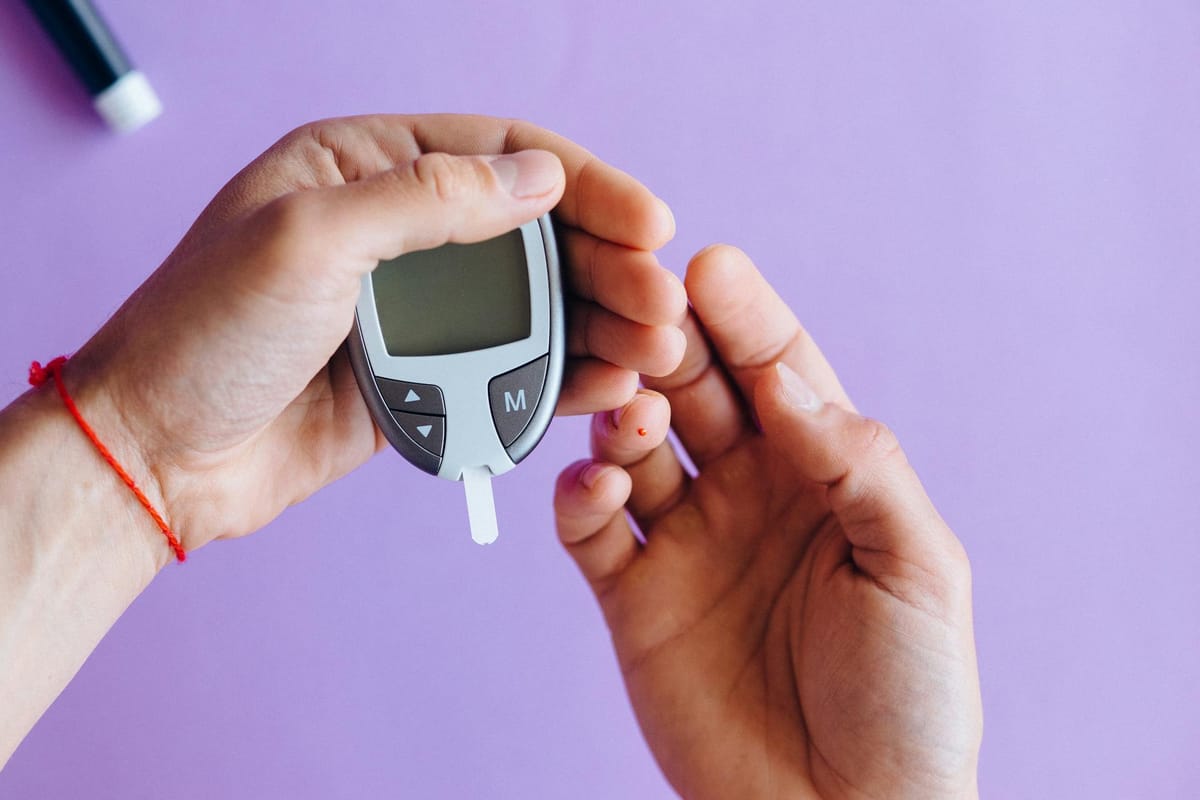
A lot of people have been asking about the importance of taking a cholesterol test. A cholesterol test is a common blood test that helps your patients to know the condition of their heart health.
Many people are eager to know what to eat before going to see a medical professional for a cholesterol test, whether they need to fast, and what foods or drinks might affect the results. Preparing properly is important because eating the wrong foods or not following fasting instructions can cause inaccurate test results.
In this article, we will explain everything you need to know about cholesterol tests, including fasting vs non-fasting, what to eat and drink, what to avoid, and how to prepare properly for a medical test.
What is a Cholesterol Test?
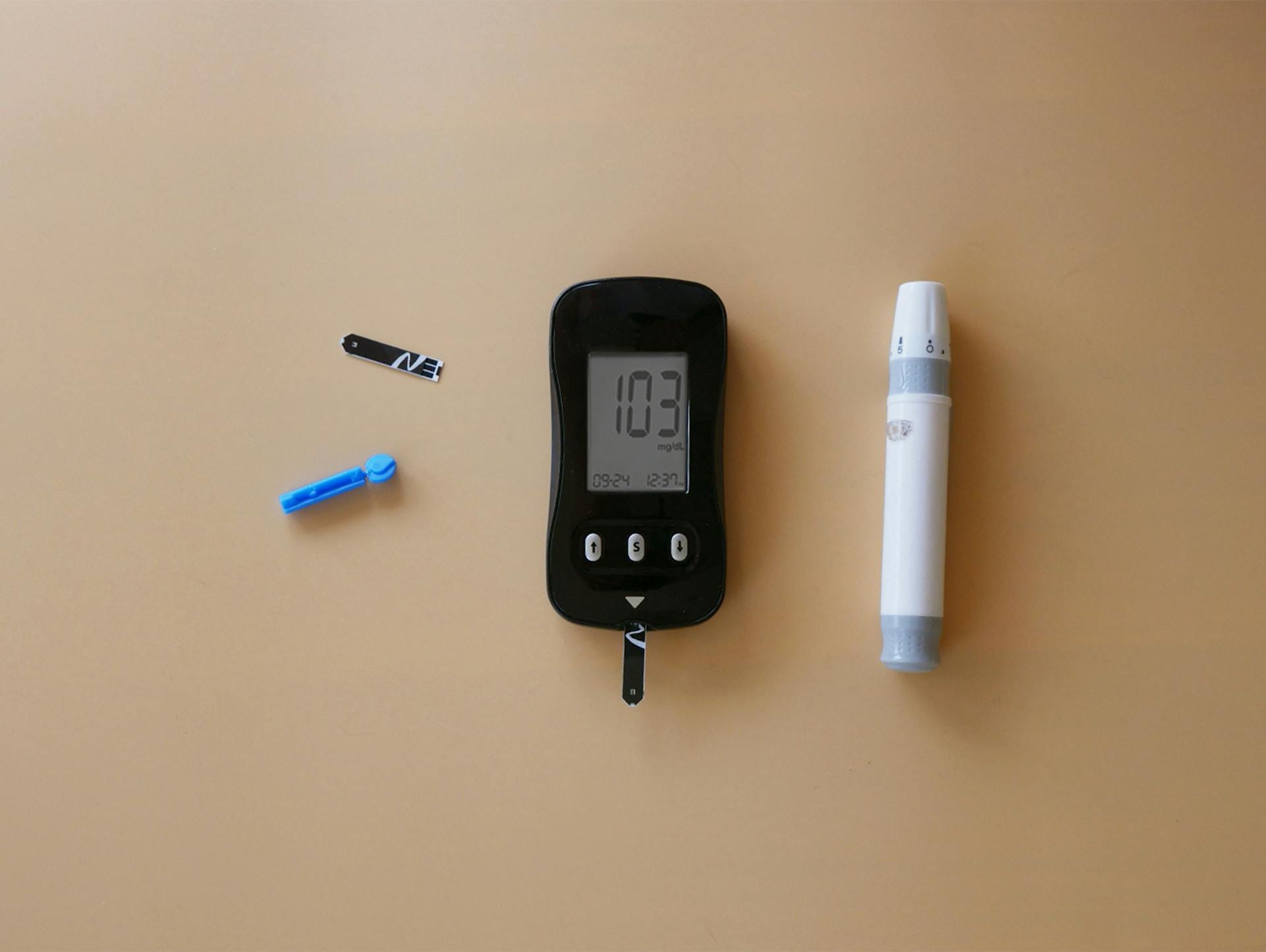
A cholesterol test, also referred to as a lipid panel, measures the various types of fats in your blood. These include:
- Total cholesterol
- LDL cholesterol (often called “bad” cholesterol)
- HDL cholesterol (often called “good” cholesterol)
- Triglycerides
These numbers help your doctor understand your risk for heart disease, stroke, and other health-related problems.
Why Proper Preparation Matters
Proper preparation matters before going for a cholesterol test because what you eat before a cholesterol test can temporarily alter the levels of fats in your blood. If you eat a heavy or fatty meal too close to the test, your triglycerides and total cholesterol levels may appear higher than normal. This is the reason proper preparation is essential to avoid inaccurate test results.
Fasting vs Non-Fasting Cholesterol Tests
Previously, most cholesterol tests required fasting. Today, some tests do not. However, your doctor will decide which test is best for you.
Fasting Cholesterol Test
A fasting cholesterol test means you should not eat or drink anything except water for a certain number of hours before the test. The following are the reasons why your doctor might advised fast before going for a cholesterol test:
- It is often required when triglycerides need to be measured accurately.
- It is usually recommended if previous results were abnormal.
- It is common for people at higher risk of heart disease
Non-Fasting Cholesterol Test
A non-fasting cholesterol test is when your doctor allows you to eat normally before the test. These are the reasons your doctor asked you to eat:
- It can be used for routine screening.
- It is convenient for many patients
- It may slightly affect triglyceride levels, but still useful in many cases.
Always follow your doctor’s instructions, as fasting rules may vary depending on your health condition.
How Long to Fast Before a Cholesterol Test
If your doctor decides that fasting is required, most doctors recommend:
- 9 to 12 hours of fasting
- No food during this time
- Only plain water is allowed.
For example, if your test is scheduled for 8 a.m., you should stop eating by 8 -11 p.m. the night before.
What to Eat the Night Before a Cholesterol Test
If you are fasting, your last meal before the test is important. Eating light, healthy foods can help maintain accurate results.
Best Foods to Eat the Night Before a Cholesterol Test
- Grilled or baked chicken or fish
- Steamed vegetables
- Whole grains like brown rice or oatmeal
- Fresh fruits (in moderate amounts)
- Low-fat dairy products
These foods are easy to digest and less likely to raise cholesterol or triglyceride levels.
Can You Eat the Morning of a Cholesterol Test?
- If your doctor recommends fasting: No, you should not eat anything the morning of the test.
- If fasting is not required: You may eat, but it’s still in your best interest to avoid heavy or fatty meals.
Eating breakfast before a fasting cholesterol test can cause falsely high results, especially for triglycerides.
Foods and Drinks to Avoid Before a Cholesterol Test
To prepare properly for a medical test, it’s essential to know the kinds of food to avoid consuming.
Foods to Avoid Before a Cholesterol Test
Avoid these foods at least 24 hours before your test:
- Fried foods
- Fast food
- Fatty meats (bacon, sausage, burgers)
- Full-fat dairy (cheese, butter, cream)
- Pastries, cakes, and cookies
These foods are known to have high saturated fat and can temporarily raise cholesterol levels.
Coffee, Alcohol, and Sugary Drinks Before Testing
Coffee Before a Cholesterol Test
- Black coffee may be allowed for non-fasting tests
- Avoid coffee for fasting tests.
- Cream, sugar, or flavoured coffee can affect results.
Alcohol Before a Cholesterol Test
Alcohol intake can raise triglyceride levels.
- Avoid alcohol for at least 24 hours before your test.
- Even small amounts may affect results.
Sugary Drinks
Avoid the following sugary drinks:
- Soda
- Energy drinks
- Sweetened juices
These drinks can affect blood fat levels and lead to inaccurate readings.
What Can You Drink Before a Cholesterol Test?
Is Water Allowed Before a Cholesterol Test?
Yes. Water is always allowed and encouraged.
Drinking water:
- Helps prevent dehydration
- Makes blood easier to draw
- Does not affect cholesterol levels
Drinks That May Affect Cholesterol Test Results
Avoid these unless your doctor says otherwise:
- Coffee or tea (especially with sugar or milk)
- Juice
- Sports drinks
- Alcohol
Stick to plain water for the most accurate results.
Medications and Supplements Before a Cholesterol Test
Should You Take Medications Before a Cholesterol Test?
In some cases, you should continue taking prescribed medications unless your doctor tells you otherwise.
However:
- Some cholesterol-lowering medications may affect results.
- Always ask your healthcare provider if any medications should be paused.
Never stop medications without medical advice.
Supplements That May Affect Cholesterol Levels
Some supplements can change cholesterol readings, including:
- Fish oil
- Omega-3 supplements
- Niacin
- Red yeast rice
- Fiber supplements
If you take supplements, tell your doctor or lab staff before your test.
Common Questions About Eating Before a Cholesterol Test
Can Eating Affect Cholesterol Test Results?
Yes. Eating too close to the test can raise triglyceride levels and may affect total cholesterol readings. This is why fasting is sometimes required.
What Happens If You Eat Before a Fasting Cholesterol Test?
If you eat before a fasting test:
- Your results may be inaccurate
- You may need to repeat the test.
- Triglyceride levels may appear falsely high.
If you accidentally eat, inform the lab or your doctor.
Tips to Avoid Inaccurate Cholesterol Test Results
To prepare properly for a cholesterol test:
- Follow fasting instructions carefully
- Avoid fatty and sugary foods the day before
- Drink only water if fasting.
- Avoid alcohol and heavy exercise before the test.
- Take medications only as instructed.
Conclusion
It is important to know what to eat before a cholesterol test to ensure your results are accurate and useful. It does not matter whether your test requires fasting or non-fasting; following simple preparation steps can make a big difference in understanding your heart health status.
If you’re unsure about fasting rules, foods to eat, or medications to take, always ask your healthcare provider. Proper preparation helps your doctor give you the best advice for managing your cholesterol and protecting your heart. Book your cholesterol test with us today.